

Essential Garden Maintenance Tasks to Tackle Before Spring
This is a collaborative post
With spring finally here, there’s just one thing to be excited about: it’s time to get outside and begin taking care of your garden. Whether it’s clearing away old leaves, checking your tools, or giving your plants some attention.
Getting your garden ready for spring is key to ensuring it thrives. This is the perfect time to clean up, tidy things up, and prepare for the new growth that’s just around the corner. The better you prepare for your gardening season, the more successful it will be.
For many homeowners, taking care of a few essential tasks in your garden can be tedious, but be sure it will save you a lot of work later. Here, we’ll share with you some simple, yet essential early spring garden maintenance tasks that you should know. This will help you tidy your garden for a beautiful and abundant growing season.
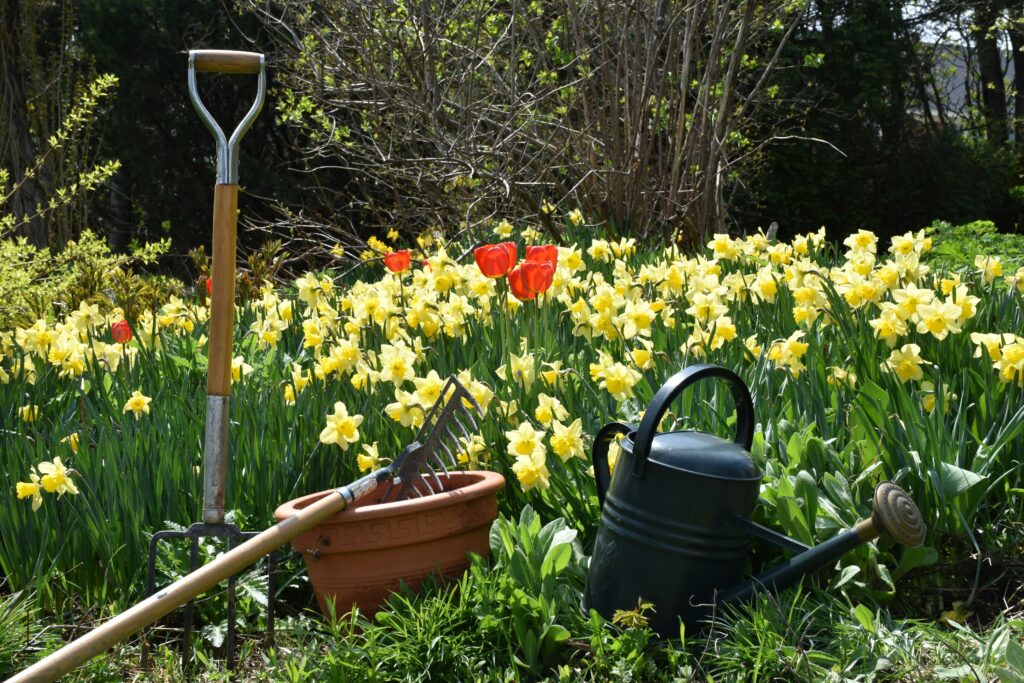
Pick Up Leaves & Debris
Before spring arrives, it’s a good idea to clear your garden of any fallen leaves and debris. Not only does it make your garden look tidier, but it also helps prevent pests and diseases from taking hold. Leaving leaves on the ground can harm your plants by preventing them from getting enough air and sunshine. Rake and gather up leaves, sticks, and other debris, and either compost them or dispose of them properly.
Cut Back Perennials and Ornamental Grasses
It’s time to cut back your perennials and ornamental grasses, as they may still contain dead growth above ground that is leftover from last year. This helps to keep your garden neat and encourages healthy growth in the spring. Trim away any dead or damaged stems, leaving the healthy ones behind. Cutting back also prevents mould and rot from taking hold over the winter months. Don’t worry about cutting too much; most plants will bounce back stronger.
Begin Weed Control Measures
Starting weed control before spring can save you a lot of trouble later. Weeds tend to grow quickly when the weather warms up, so it’s smart to tackle them early. Pull out any visible weeds by hand or use a hoe to loosen the soil. Another option is to spread mulch over the area to stop new weeds from growing. Keeping weeds in check now helps your plants grow stronger and gives them the space and nutrients they need.

Mulch Raised Beds
Spreading mulch in your raised beds is a smart move. Mulch keeps the soil moist, which is particularly crucial when the weather gets warmer. It also prevents weeds from growing and gives your garden a neat, finished look. Avoid packing mulch up against the stems of your plants; instead, spread a layer of 2-3 inches thick. Applying mulch is typically an annual garden maintenance task.
Prune Plants
Pruning your plants before spring is an essential task to promote healthy growth. Trim any dead or damaged branches to help encourage new growth and improve your plants’ overall shape. For flowering plants, pruning helps them bloom more fully when the warmer weather arrives. Be sure to use clean, sharp tools to make clean cuts.
Clean & Maintain Hardscapes
Take the time to clean and maintain your hardscapes like decks, patios, walkways, and fences. Over the winter, dirt, leaves, and debris can build up, so give them a good sweep or power wash. If your fence is made of traditional wood, you may need to sand, stain, or repaint it to keep it looking fresh. However, if you have composite fencing, maintenance is much easier, just a quick rinse is enough to remove any dirt or grime. Unlike wood, composite fence boards don’t require sealing or painting and won’t rot, warp, or fade over time. Checking and maintaining your hardscapes now ensures your outdoor space is clean, durable, and ready for the warmer months ahead.
Divide Perennials
Dividing your perennials before spring is a great way to keep your garden healthy and vibrant. Over time, some plants can become overcrowded, leading to poor growth. To fix this, dig up the plants, carefully split them into smaller sections, and replant them in different spots. This helps them grow stronger and gives your garden a fresh look. Dividing also ensures your plants have enough space to thrive, improving air circulation and overall health.
Prepare Seasonal Pots & Containers
Get your pots and containers ready so you can plant without any hassle when the spring comes. Start by cleaning them to remove dirt and old plant debris. Inspect pots and containers for cracks or damage and replace any that can’t be fixed. Add fresh soil or refresh the old one with compost to give your new plants a healthy start. Think about what flowers or herbs you want to plant and plan their placement.
Add Compost
This is one of the easiest ways to boost your garden’s health. Compost improves the soil by adding nutrients and helping it retain moisture. Cover your garden beds with a thin layer, then mix it into the top couple of inches of soil. This gives your plants a strong foundation to grow once the weather warms up. Regularly adding compost keeps your soil rich and healthy, giving you a better chance at growing a beautiful garden.
Check Irrigation System
Before spring arrives, take some time to check your irrigation system. Look for leaks, clogged sprinkler heads, or any broken parts that need fixing. Turn it on and make sure water is flowing properly to all areas of your garden. Adjust the settings if needed to avoid overwatering or missing spots. Fixing problems early will save you from headaches later when your garden is in full bloom.
Conclusion
Getting your garden ready before spring makes a big difference. These simple tasks help your plants grow healthier and your outdoor space look its best. A little work now saves you time and effort later and allows you to enjoy a vibrant and thriving garden all season long.


