

Why Indie Games Are Turning Family Game Night Upside Down
This is a collaborative post
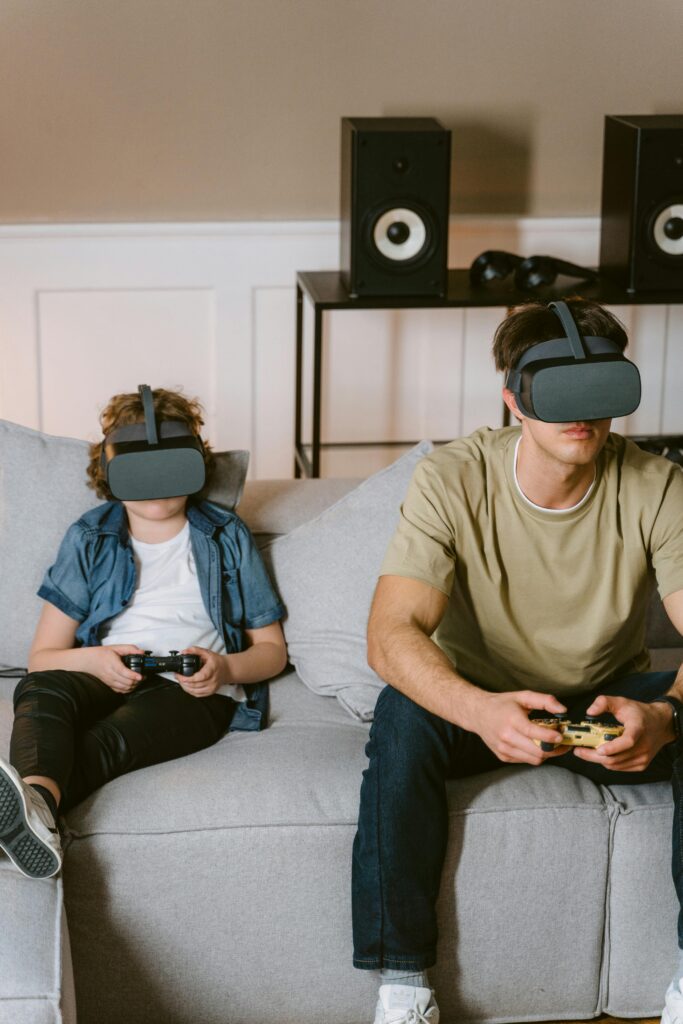
Family game night used to be all about the classic board routines, the dog-eared boxes, matching pieces, and the careful stacking of tokens. Things look different these days, with indie games growing in popularity and finding a place right alongside time-honored favorites. These small-studio creations often come with fewer rules, fresher ideas, and stories everyone can jump into quickly. Parents discover that indie games often have options for shorter sessions and unique twists, which works well for families juggling busy schedules or younger players.
Online ecosystems have allowed indie developers to showcase their work directly to players without a massive marketing push or mainstream publisher. Families who want something outside the old Monopoly-and-Scrabble circuit can now find cooperative games, quick storytelling adventures, or even educational challenges that get everyone involved. With digital gifting so simple today, passing along a new experience for game night can be as easy as sharing a download code or sending a digital present.
A popular way to share these new experiences is through digital codes and currencies for specific games or platforms. If someone wants to give kids access to a creative playground, they might decide to buy Roblox gift card and let them use it for avatar upgrades, game passes, or indie adventures crafted within the Roblox universe itself. Options like this help families tailor gameplay rewards or new titles to individual preferences without the pressure (or arguments) of picking a single “everyone must play” game each week.
Families who love exploring new gaming territory often ask where they can buy digital games securely. The answer is surprisingly flexible, official platform shops are always reliable, but digital marketplaces offer even wider selection and value. Many parents use them for competitive pricing on game keys or gift cards, as well as clear regional labeling to avoid account mismatches. Eneba, as a controlled digital marketplace, also shows region tags upfront and hosts multiple merchants, so families can shop transparently and find the titles or codes that fit their needs best.
Social Play, Safety, and Indie Innovation
The social benefits of indie games during family night go beyond new rules or themes. Many recent releases offer built-in multiplayer options across devices, inviting siblings in different rooms or even relatives in other cities to join the action. The best indie games focus on connection and conversation, rewarding group communication or puzzle-solving rather than just reflexes.
Parents also appreciate the robust parental controls offered by digital storefronts and game platforms. Turning to indie games through official channels or established marketplaces means stronger oversight. Most games are rated for content and recommended age range, allowing families to make decisions in line with their own boundaries and traditions.
Refreshing Traditions and Cultural Moments
What really sets indie games apart for family night is their ability to create new rituals and shared experiences. A spooky escape room with timer pressure can become an annual holiday ritual. A quirky party game might spark laughter and inside jokes that stick around for months. Indie titles frequently include creative mechanics or cultural references you won’t find in mainstream releases, letting families teach each other, learn new things, or even branch out into homemade mods or house rules.
The shift to digital gifting supports these traditions without cluttering shelves or requiring last-minute shopping trips. Digital marketplaces like Eneba offering deals on all things digital make it easier than ever for families to keep game night fresh, inclusive, and just a bit unexpected.


