

The Real Cost of Periods – And How to Cut It Without Compromise
This is a collaborative post
Periods aren’t just a monthly hassle—they’re a quiet expense that adds up fast. If you’ve ever wondered where your money goes, your period might be part of the answer.

From pads and tampons to painkillers and new underwear, the true cost of having a period can be surprising. In this article, we will break down how much you might spend across your lifetime and show you easy ways to cut costs without compromising comfort.
Key Points:
- You could spend up to £4,000 on period products over your lifetime.
- Switching to own-brand or reusable options could save you thousands.
- Free samples, coupons, and charity support can reduce monthly costs.
- Tracking your cycle helps avoid last-minute, high-cost buys.
- Budget-friendly pain relief alternatives are often just as effective as branded ones.
How Much Do Periods Cost?
Disposable pads and tampons feel like small add-ons to the weekly shop, yet they add up quickly. A branded box of pads costing around £3.25 bought every month comes to about £39 a year. Add painkillers, liners, and replacement knickers and the annual total creeps past £100.
That means the average person who menstruates could spend nearly £4,000 between their first period and menopause—money that could fund a family holiday or trim a student loan.
Lifetime Costs
According to the NHS, “between the ages of 12 and 52, a woman will have around 480 periods, or fewer if she has any pregnancies.” If you use roughly 22 items per cycle, that’s over 10,000 products in a lifetime.
Swapping big-name brands for supermarket own labels can cut this the yearly bill to about £26, while going reusable—cups, cloth pads or period pants—shrinks it further once the upfront spend is covered.
In other words, choosing cheap period products can free up more than £3,500 over forty years.
Use this table to help you navigate the differences in supermarket sanitary pad prices as of 2025:
| Average cost of a pack | Cost per item | Average lifetime cost | |
| Lit-lets organic normal sanitary pads | £3.80 (Ocado) | 38p | £3,990 |
| Tampax Pearl regular applicator tampons (16-pack) | £3.25 (Tesco) | 20p | £2,100 |
| Asda regulator applicator tampons (20-pack) | £1.03 (Asda) | 5p | £525 |
| Tesco regular Ultra towels (16-pack) | 42p (Tesco) | 3p (approx.) | £315 |
Beyond Pads and Tampons: Hidden Period Costs
Pads and tampons are only one slice of the monthly bill. When you consider other factors such as painkillers, spare underwear, toiletries and even comfort treats like magazines and chocolate, your shopping bill can drastically add up. Those small extras—an emergency pack of pads at a petrol station or a new set of sheets—quickly stack up.
Since 2023, “21% (more than one in five) women and people who menstruate in the UK are now struggling to afford period products – up from 12% in just one year. This amounts to an estimated 2.8 million people,” which demonstrates that the cost of living crisis is also having an effect across different age groups of women, and proves that more needs to be done to accommodate women struggling with periods.
Spotting these leaks in your budget helps you shift toward consistently cheap period products without fuss.
How Tax Is Affecting Tampon Purchases
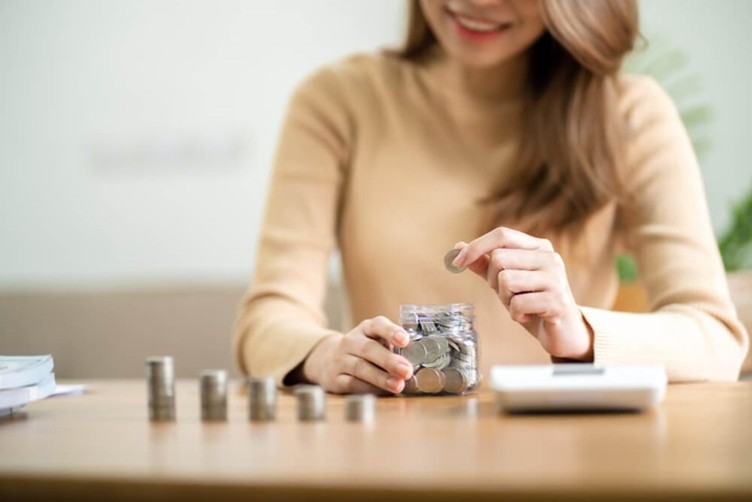
The “tampon tax” vanished in January 2021, cutting VAT on disposable products from 5 % to zero. As of January 2024, reusable period pants are VAT-free too. Retailers such as M&S, Primark and Tesco say they have passed on savings of up to 16%. Others haven’t, so compare shelf prices before you buy.
- Ways to grab cheap or free sanitary products
- Snap up brand samples and stash them at home.
- Check supermarket coupon pages for 50p-off deals.
- Use community “take what you need” baskets at food banks and libraries.
- Split bulk online orders with friends to drive down the unit price.
Save More with HARTMANN Direct
HARTMANN Direct isn’t just about incontinence care; their light incontinence and washable incontinence underwear double as everyday backup on period days. As well as being reusable and eco-friendly, the washable range is extremely discreet and comfortable, making them ideal for everyday users and those struggling with their periods who do not want to use products that harm the environment.
Look Out For Freebies and Coupons
Brands often give away thousands of samples when launching new lines. Follow brands on social media or join their newsletter subscriptions to catch similar offers. Even if you prefer supermarket own labels most months, coupons make a favourite product a bargain top-up.
Track and Plan with Free Apps
Avoid pricey panic-buys by using a free cycle tracker:
- Clue logs flow and symptoms and pings calendar reminders.
- Flo predicts periods and ovulation.
- Glow combines cycle tracking with fertility insights.
- Period Tracker records symptoms and exports data for GP visits.
Pairing an app with a modest at-home supply of cheap period products means you’re stocked well before day one arrives—and your wallet stays happier.
FAQs
Can I get help if I can’t afford period products?
Absolutely. Charities like Bloody Good Period, The Trussell Trust, and local food banks often provide period products free of charge, no questions asked. Some supermarkets and pharmacies also participate in donation and “take what you need” programmes.
How do I make disposable products last longer—safely?
It’s not recommended to extend the use of pads or tampons beyond safe wear times (typically 4–8 hours) as this can increase the risk of irritation or infection. However, supplementing with reusable liners or period pants on light days can reduce overall usage.
What are the most budget-friendly period hacks?
- Use washable liners on light days
- Try cold water soak to make reusable pads last longer
- Track your cycle to avoid surprise purchases
- Create a “period kit” at home so you’re not panic-buying from expensive convenience shops
Sources
NHS. (2018) Periods and fertility in the menstrual cycle. [online] Available at: https://www.nhs.uk/conditions/periods/fertility-in-the-menstrual-cycle/ [accessed 01/07/2025]
Pyecroft, H., (2025) Cost of living: UK period poverty rose from 12% to 21% in a year in 2023. Actionaid. [online] Available at:
https://www.actionaid.org.uk/blog/2025/05/28/cost-period-poverty-risen [accessed 01/07/2025]
GOV.UK., (2021) Tampon tax abolished from today. [online] Available at:
https://www.gov.uk/government/news/tampon-tax-abolished-from-today [accessed 01/07/2025]
Bloody Good Period. (2017) Homepage. [online] Available at: https://www.bloodygoodperiod.com/ [accessed 01/07/2025]
The Trussell Trust. (2024) Homepage. [online] Available at: https://www.trussell.org.uk/ [accessed 01/07/2025]
About the author
Julie Boultwood is the strategic eCommerce manager for HARTMANN Direct. With over 25 years of experience in marketing, she has developed expertise in several industries including healthcare, agriculture, and travel. View her social media


