

Sticking to Perfection: The Comprehensive Guide to Eyelash Extension Adhesives and Their Care
This is a collaborative post
Eyelash extensions have skyrocketed in popularity over the past few years, transforming the beauty industry. They provide an instant, dramatic boost to the eyes, and when done correctly, can look incredibly natural. Central to the success of this beauty treatment is the adhesive used to bond the extensions to the natural lashes. Understanding the science behind these adhesives, how they work, and the considerations one must make when choosing them, is essential for both professionals and clients.
The Science of Eyelash Extension Adhesives
Eyelash extensions rely heavily on the effectiveness of the adhesive. At the heart of these adhesives is cyanoacrylate, a quick-bonding chemical that’s present in many adhesives across various industries. It’s found in medical applications, like bonding skin in lieu of stitches, and even in everyday household super glues. But why is cyanoacrylate the chosen ingredient for lash extensions?
Cyanoacrylate’s strength comes from its unique ability to polymerize rapidly when exposed to moisture. This moisture can come from the air or the surface to which it’s being applied. In the context of lash extensions, the moisture on the natural lash prompts the adhesive to form strong molecular chains, resulting in a robust bond. These chains provide both the strength and durability needed to keep the extension in place for weeks.
How Do They Work?
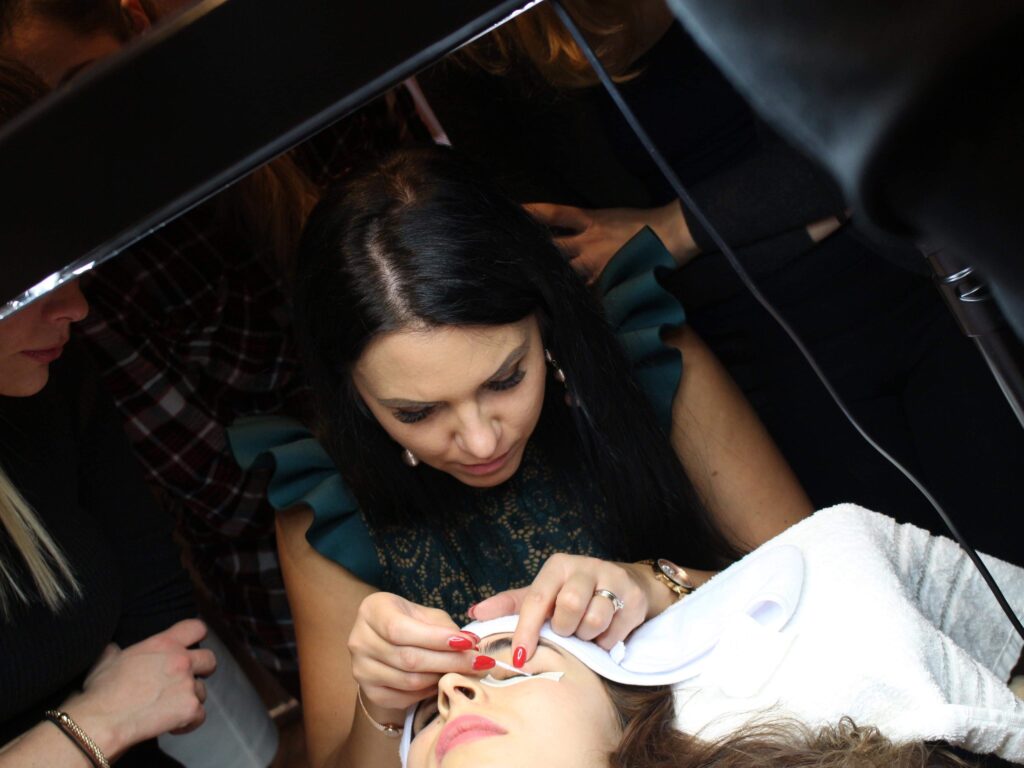
The process of eyelash extension application is intricate. As the technician applies the adhesive to the extension, the cyanoacrylate present is already reacting with ambient moisture, initiating polymerization. When the extension is attached to a natural lash, moisture from the lash further speeds up this process, creating an almost instant bond.
The bond created isn’t just superficial. The adhesive envelops the natural lash, forming chains and networks at the molecular level. This intricate meshwork of bonds ensures the extension remains firmly in place as the natural eyelash goes through its growth cycle, which usually spans 4-6 weeks.
Choosing the Best Adhesive for Your Clients
The market is flooded with a plethora of lash adhesives, each boasting different features. Factors influencing the choice include:
- Drying Time: A seasoned lash technician might be comfortable with adhesives that dry in mere seconds. This allows them to work quickly and efficiently. However, for those still honing their skills, slower-drying adhesives grant them the luxury of time to adjust placement.
- Retention Period: Clients have different needs. Some may prefer a long-lasting bond of up to 8 weeks, while others may be content with 4, scheduling regular touch-ups.
- Viscosity: The thickness of the adhesive can dictate the final look. Denser adhesives might result in a more voluminous look, whereas thinner adhesives might be ideal for those going for a subtler enhancement.
- Climate Considerations: Just as with hair and skincare products, climate plays a role. Some adhesives are formulated to withstand higher humidity levels, while others might be designed for drier climates.

Read more about choosing the best lash adhesives, application tips and more.
Potential Problems with Eyelash Extension Adhesives
Every product has its set of challenges, and lash adhesives are no exception.
- Improper Bonding: A frequent issue, this can occur when the natural lash isn’t isolated correctly, or if an excess of adhesive is applied. This can cause multiple lashes to stick together, resulting in discomfort or a clumped appearance.
- Short Lifespan: If extensions begin to fall out within days, it’s often a sign of incorrect application. Using oil-based products or exposing the lashes to moisture too soon can also weaken the bond.
- Allergic Reactions: Allergies are a genuine concern. The chemicals in the adhesive, especially cyanoacrylate and sometimes formaldehyde, can cause reactions in sensitive individuals.
Adhesive Allergy: What Is It?
Allergies are immune responses to foreign substances. In the case of lash adhesives, the chemicals, especially cyanoacrylate, can be the culprits. Those affected by adhesive allergy, or contact dermatitis in this context, can experience a range of symptoms from mild redness and itching to more severe swelling and pain.
To mitigate this, professionals should always conduct a patch test, especially with new clients.
There are also adhesives on the market specifically formulated for sensitive eyes. While they might not offer the same longevity, they’re a safer bet for clients with known sensitivities.
Managing and Preventing Issues with Eyelash Extension Adhesives
Prevention is always better than cure.
- Proper Training: A well-trained technician is less likely to make application errors. Training courses and certifications ensure technicians are equipped with the latest techniques and knowledge.
- Client Consultation: A thorough consultation helps in understanding the client’s needs and any history of allergies or sensitivities.
- Aftercare Instructions: Ensuring clients are well-informed about aftercare can prevent premature fallout. This includes avoiding water, steam, and oil-based products immediately after application.
- Staying Updated: The beauty industry is dynamic. Regularly updating knowledge about the latest products, techniques, and best practices ensures clients receive the best service.
Caring for Your Lashes to Protect the Adhesive
Eyelash extensions can significantly enhance one’s appearance, making eyes pop and providing that coveted “awake” look even on the groggiest of mornings. However, to ensure the longevity of these extensions and the effectiveness of the adhesive, appropriate aftercare is paramount. Proper care not only ensures that the lash extensions remain intact but also maintains the health of the natural lashes.
Avoiding Oil-based Products:
One of the top enemies of lash adhesive is oil. Oil-based products, whether they are makeup removers, cleansers, or moisturizers, can break down the adhesive used for lash extensions. When the adhesive breaks down, extensions can shed prematurely. Instead, opt for oil-free and extension-friendly products. When removing makeup, use an oil-free makeup remover and a Q-tip to gently clean the eyelid area without disturbing the extensions.
Steer Clear of Water and Steam for the First 48 Hours:
The first 48 hours post-application are crucial for the adhesive to fully cure. During this time, it’s essential to avoid any contact with water. This includes showers, swimming, saunas, and steam rooms. Steam, in particular, can interfere with the adhesive setting process, leading to weakened bonds.
Gentle Cleaning Routine:
Beyond the initial 48-hour period, keeping the lashes clean is essential. Dirt, oils, and makeup can accumulate at the lash base, which can compromise the adhesive and the overall health of your lashes. Use a lash cleanser or a diluted baby shampoo to gently clean the lashes. Using upward strokes with your fingertips, carefully cleanse the lash line without being too aggressive.
Avoid Rubbing and Pulling:
Rubbing or pulling on your lash extensions is a surefire way to loosen them. Not only does this result in premature shedding, but it can also damage your natural lashes. If you feel the need to touch your lashes, do so gently, preferably using a clean spoolie brush to comb through and maintain their alignment.
Minimize Mascara Use:
One of the benefits of lash extensions is reducing the need for mascara. However, if you still wish to use mascara, ensure it’s extension-friendly. Waterproof mascaras, in particular, are challenging to remove without an oil-based remover, which, as discussed, is detrimental to the adhesive.
Be Mindful of Sleeping Habits:
Sleeping face-down or constantly pressing your face into a pillow can cause your lash extensions to bend, twist, or fall out prematurely. If possible, try to sleep on your back. If you’re a side sleeper, consider investing in a silk or satin pillowcase. These materials create less friction, ensuring your lashes remain undisturbed.
Regular Touch-ups:
Regular maintenance appointments, often referred to as “fills,” are recommended every 2-4 weeks, depending on your lash growth cycle and how well you care for your extensions. These touch-ups help maintain a full, lush appearance by replacing any lashes that have naturally shed.
Avoid Overloading with Products:
While it’s tempting to experiment with various lash products, be cautious. Overloading the lashes with serums, heavy creams, or other treatments can weigh them down, making them droop or fall out.
In conclusion, lash extensions are an investment in beauty and self-confidence. Like any investment, they require care and attention. By following the guidelines above, you ensure that your lash extensions remain in top condition, giving you the maximum wear time and a stunning look that turns heads.


