

Staying Calm After a Road Emergency: A Parent’s Guide
This is a collaborative post
You have planned the route, packed the snacks, and double-checked the car seats. Still, there’s no guarantee that things will go smoothly once you’re on the road. Houston traffic is unpredictable. When something goes wrong, whether it’s a breakdown on the shoulder or something more serious, your role as a parent becomes even more critical.
You don’t have to be perfect. You just have to stay calm enough to make smart choices under pressure. That calm becomes the anchor your kids hold onto when they don’t understand what’s happening.
This article gives you real-world advice on how to handle road emergencies with clarity, confidence, and care.
Breathe First, React Second
It sounds basic, but take a breath. Your heart might be racing. Your hands might be shaking. Still, stop for just a second. Breathe in slowly. It helps you take control, even if just for a moment. Then move into action.
If you’ve been in a crash, make sure everyone in the car is okay. Speak gently. Kids need to hear your voice, even if you don’t have all the answers. Let them know that you’re going to take care of things. That one sentence gives them more comfort than you think.
Safety Comes First
If your car is still drivable, pull off the road to a safe spot. Turn on your hazard lights. If it’s dark, turn on your interior lights so others can see you better. If you can’t move the car, stay inside with seat belts fastened unless you’re in immediate danger.
Sometimes, kids might want to get out or ask too many questions. Calmly explain why staying buckled is the safest thing to do. Distraction is okay here. Let them play a game on your phone or tell a story to help pass the time.
When the Emergency Involves a Crash
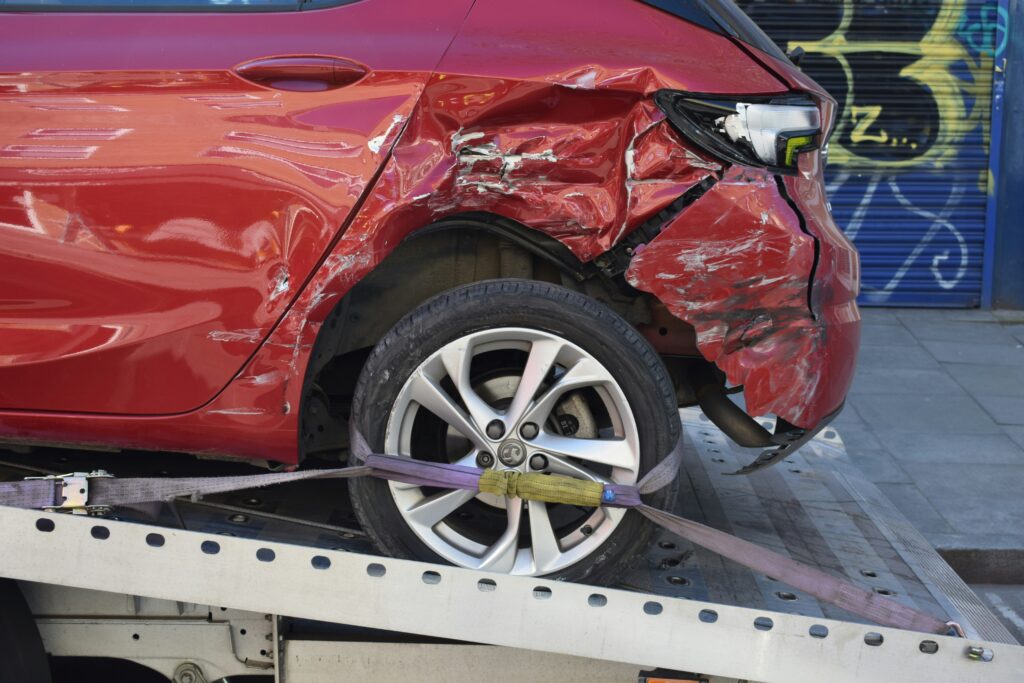
Some road emergencies go beyond flat tires or stalled engines. If you’re in a collision, especially with a large commercial truck, the situation changes. These crashes are often more serious, not just because of the size and weight of the vehicle, but because of what comes after. The impact, the injuries, and the paperwork all add up fast.
If you live in or near a major city like Houston, you have likely seen how busy the highways get. With all the commercial traffic running through, accidents involving trucks aren’t rare. And when something like that happens, especially with kids in the car, the next steps can feel overwhelming.
That’s where talking to a Houston truck accident attorney can be helpful. They understand the legal side of truck-related crashes, which often involve different rules and responsibilities than a typical car accident. While you’re trying to focus on your family’s well-being, it helps to have someone guiding you through the legal side so nothing important slips through the cracks.
Keep a Roadside Emergency Kit
You don’t have to be a prepper to be prepared. A basic kit can make all the difference when you’re stranded with kids. Include water, snacks, a flashlight, a phone charger, a blanket, and some coloring books or small toys. Add in a first aid kit and jumper cables.
When your child is crying or anxious, having familiar things on hand can soothe them. Even something small, like a favorite stuffed animal, helps them feel safe. Think about comfort, not just survival. A calm child is easier to care for and helps you stay focused when you need it most.
What to Say When Your Kids Start to Worry
Children often say what adults are too afraid to. “Are we going to die?” or “Is someone going to hurt us?” These moments are heavy. It’s okay to feel shaken, but speak calmly. Tell them, “We’re safe right now and help is coming.” Keep your voice steady even if your hands aren’t.
You don’t need to explain everything. Give honest, age-appropriate answers. You’re not just managing the emergency. You’re also shaping how your child reacts to fear for years to come. Let them talk, even if their words don’t fully make sense. The act of speaking helps them process what just happened. Your presence and tone matter more than your words. Even if you don’t have all the answers, your calm energy can be enough.
Preparing Kids Without Scaring Them
It’s a good idea to talk about road safety at home, too. Practice what to do if you ever need to pull over or call for help. Use simple language. Treat it like a fire drill. “If something goes wrong, I’ll take care of it. You’ll stay buckled and listen to what I say.”
This gives kids a script they can follow, and having a plan often reduces fear. You’re not planting anxiety. You’re building trust. You don’t have to rehearse it often, just enough that it sticks. Keep it casual, not dramatic. Children feel safer when they know there’s a plan. They remember your voice more than your words when things go wrong.
Final Thoughts
Every parent hopes for smooth drives and quiet rides. But life on the road doesn’t always go as planned. When something unexpected happens, your reaction becomes the most important part of the moment. Staying calm doesn’t mean you’re not scared. It just means you’re choosing to focus on what matters most. You won’t always get it perfect, and that’s okay. What your kids will remember is that you were there, steady and strong when they needed you. That presence speaks louder than anything else.


