

Solar Panels 101: Everything You Need to Know Before Going Solar
This is a collaborative post
Powering homes with the sun’s energy is becoming more and more popular. The better these solar energy systems are, the cheaper and more readily available they become. For those who are willing to switch, there are some fundamentals that must be understood. Solar panel installers who are reliable are very crucial to a smooth transition to renewable energy.
How Solar Panels Work
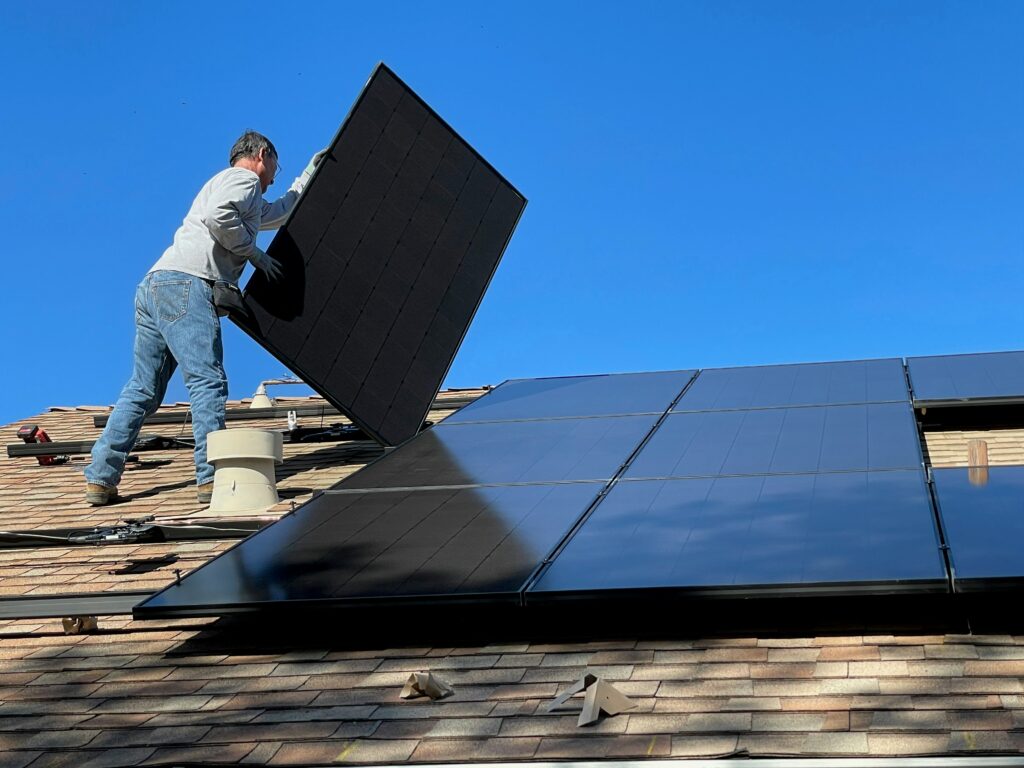
Solar panels are also commonly referred to as photovoltaic cells and absorb sunlight to convert it to energy. It can be used straight away or it can be stored in batteries for a later use. The captured energy is then converted into a usable form by an inverter that can power the household’s appliances and electronic devices. The solar panel system is configured to be as efficient as possible by partnering with experienced solar panel installers.
Advantages of Solar Energy
Lower Electricity Bills
This solar power reduces dependence on the grid a great deal and does result in significant savings on utility bills.
Environmentally Friendly Solution
Using solar energy helps us move away from using fossil fuel so we don’t emit that much greenhouse gas which gives an impact to the environment.
Increased Home Value
Solar power systems on properties that feature them help raise resale prices, as they offer long term cost savings and the sustainability benefits.
Energy Independence
With this, you are protected from the changing energy rates and grid failures and you also have reliability and security in making your own electricity.
Key Considerations Before Installation
1. Roof Suitability
The condition, material, and orientation of a roof influence solar panel efficiency. Best results are usually from south facing surfaces with little or no shading.
2. Local Climate
While modern systems can still work in different weather conditions, regions with ample sunlight produce the most energy.
3. System Size
Determining the number of panels needed to satisfy daily electricity consumption is dependent on how much energy a household consumes.
4. Incentives and Rebates
There are also many financial incentives, tax credits, rebate programs which governments and utility companies provide to encourage the adoption of renewable energy, reducing the overall investment.
5. Installation and Maintenance
You can choose reputable professionals in order to set up properly and in the long run. Cleaning debris off panels helps keep the performance routine up over time.
Understanding Costs and Savings
Initial Investment
Every system size, panel quality and installation complexity requires different upfront expenses. Although the first purchase price is considerable, in the long run, the expenditure is covered.
Return on Investment
As time goes by, reduced electricity bills combined with the potential of incentives will help solar energy pay for itself.
Off-Grid vs. Grid-Tied Systems
Off-Grid Solutions
These systems are completely independent from the electrical grid and draw their energy from batteries as solar isn’t available.
Grid-Tied Systems
With these configurations, homeowners can charge from the grid and it provides additional savings as time goes by if they sell excess energy back to utility providers.
Choosing the Right Provider
Established and Trustworthy solar panel installers will provide you with proper guidance, quality materials and professional installation. Homeowners can choose to research reviews, certifications and warranties.
Final Thoughts
It is a big step to solar power and sustainability and cost savings. A homeowner who understands the technology and the benefits of renewable energy and also knows the installation considerations, will have no doubt in embracing renewable energy. A good transition, with the assistance of experts to install will help in long term efficiency and financial benefits.


