

Planning a Family-Friendly Garden: Simple Ideas to Create Outdoor Spaces Kids Will Love
This is a collaborative post
If you’ve ever watched your kids run into the garden and immediately invent a game out of nothing, you already know this: children don’t need much to turn an outdoor space into a world of their own. A stick becomes a magic wand, a patch of dirt becomes a bakery, and a corner under a tree becomes a secret hideout. So why not shape a garden that supports that energy while still staying practical for the adults who take care of it?
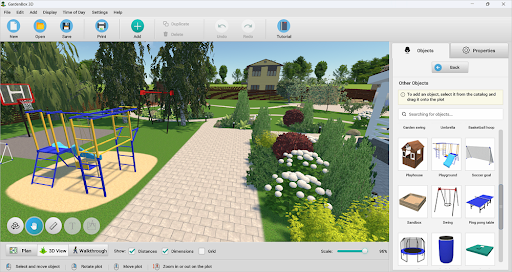
Designing a family-friendly garden sounds like a big project, but it doesn’t have to be. Not every space needs a huge lawn or pricey equipment. What matters most is understanding how your family uses the outdoors and building around that. And if you’re someone who needs to “see it” before committing, a planning tool like GardenBox 3D can make the whole process feel less like guesswork and more like… fun. You can experiment with play zones, move seating around, rotate a sandbox three times until you like it, without touching a single shovel. Tools like this save time, money, and plenty of “why did we put that there?” moments.
So, where do you start? Let’s walk through it together.

Start With the Basics: How Does Your Family Actually Use the Garden?
Before you run out to buy swings and climbing frames, pause for a moment. Look at your garden the way your kids do. Ask yourself:
- Where does everyone naturally gravitate?
- Which areas are sunny… and which turn into mud traps after rain?
- Is it a “run around” kind of garden or more of a “quiet corner” one?
- Do you need better fencing? Softer ground? More shade?
It sounds simple, but this one step will save you from future frustration. A family garden isn’t a display piece — it’s a living, changing space.
Visualising Your Layout With GardenBox 3D
Once you’ve got a sense of how your family moves outdoors, that’s when tools like GardenBox 3D shine.
Inside the software, you can:
- divide your garden into play, rest, and storage zones
- drag and drop climbing frames, sandboxes, paths, or raised beds
- check walking and running “traffic” so kids don’t crash into planters
- experiment with shade placement throughout the day
- plan cushioned surfaces under play equipment
If you’ve ever wished you could “try before you build,” this is exactly that. Kids can even help by choosing colours or deciding where their little playhouse goes — no mess, no tears, no digging regrets.
Zoning: The Trick That Makes Everything Feel Calm and Tidy
Even tiny gardens benefit from clear areas. When every activity has its corner, toys stay contained and kids somehow… follow the flow. (Most days, at least.)
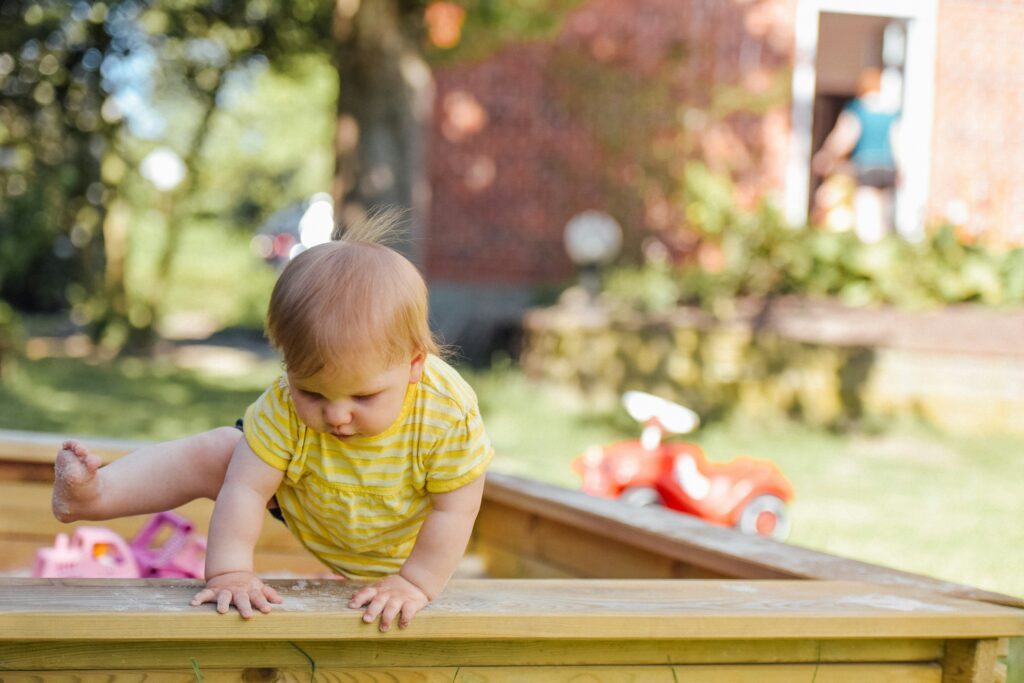
1. A Safe Play Zone
This is the high-energy area.
Consider adding:
- soft ground (wood chips, grass, mulch, rubber mats)
- a small climbing frame or balance beam
- a mud kitchen made from old pots and crates
- a waterproof storage box to keep outdoor toys neat
Parents love this zone because it keeps the chaos safely in one place.
2. A Quiet Corner for Reading & Resting
Even hyperactive kids need downtime.
Try:
- a simple teepee or pop-up tent
- a hammock swing
- floor cushions in a shady nook
- a little table for drawing or crafts
It becomes the “reset corner” when things get overwhelming.
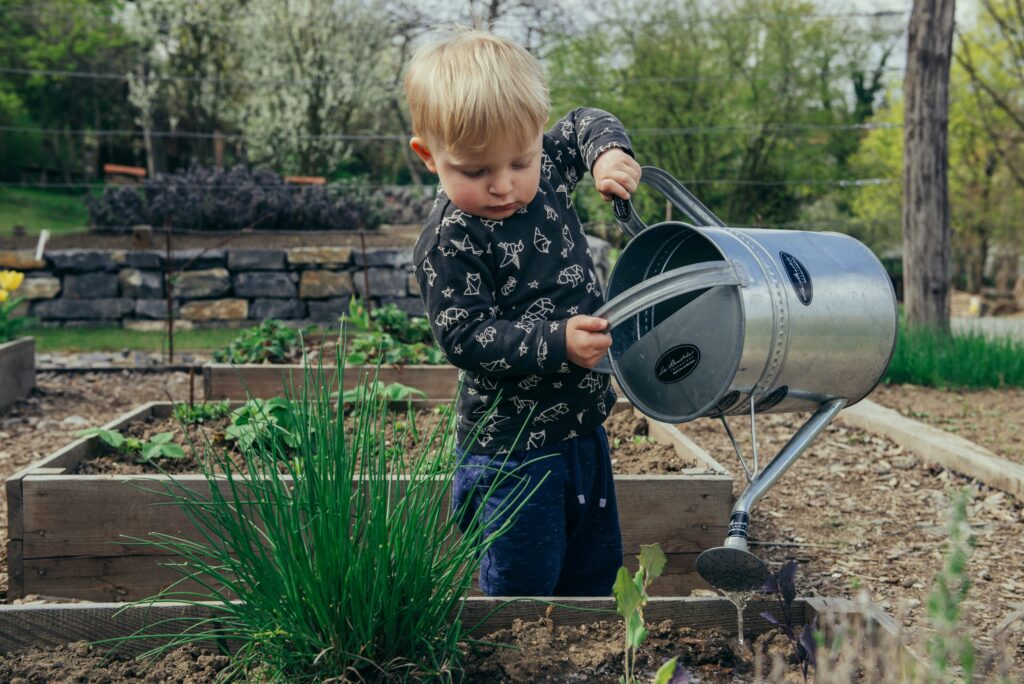
3. A Mini Garden for Little Gardeners
Children adore watching things grow — especially things they planted.
Easy beginner plants:
- strawberries
- cherry tomatoes
- sunflowers
- mint, basil
- lavender
Give each child a planter or bed to manage. It builds confidence and adds colour to the space.
Choosing Plants: Safe, Soft, and Fun for Curious Hands
Kids touch everything. They smell everything. They sometimes taste things they shouldn’t. So plant choices matter.
Kid-friendly options:
· herbs (mint, thyme, rosemary) · soft grasses · butterfly-friendly flowers · jasmine · honeysuckle · hardy shrubs
Plants to avoid:
oleander · foxglove · yew (beautiful but toxic)
And don’t forget sensory planting—velvety leaves, chocolate-scented flowers, plants that rustle in the breeze. These details spark curiosity.
Smart Safety Tips So You Can Relax
No garden can ever be 100% risk-free, but a few precautions go a long way:
- fence off ponds and water features
- make sure gates close firmly
- use non-slip tiles on patios
- soften fall zones under play equipment
- keep tools locked away
- add a baby gate to garden doors if needed
A safe garden is a more relaxing garden — for everyone.
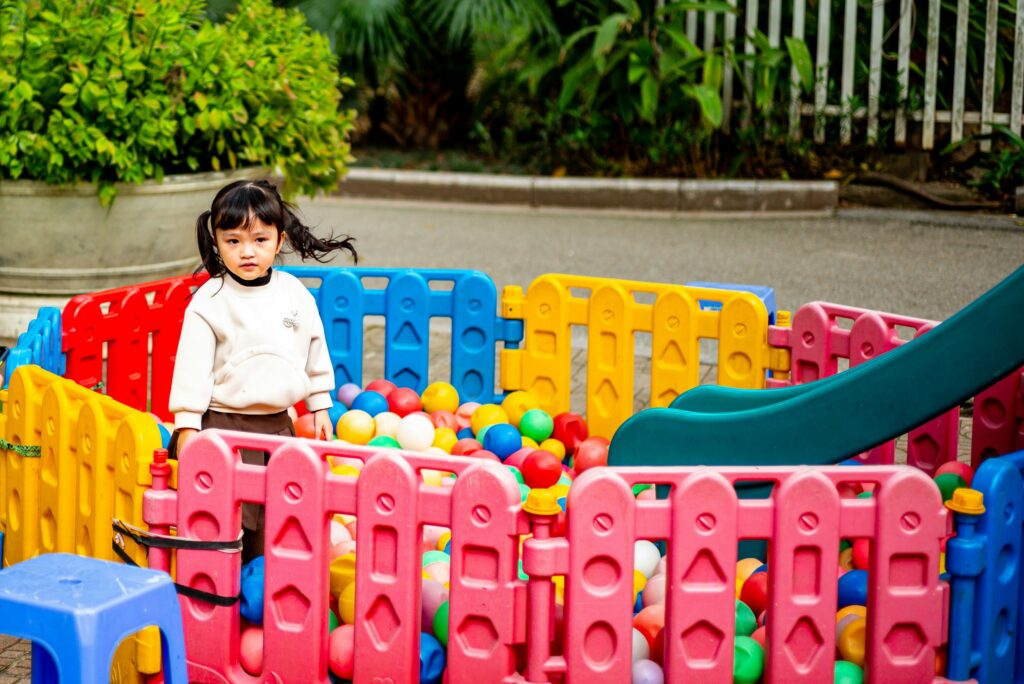
Creative Play Features Kids Love (and Parents Love Because They’re Cheap)
Play equipment doesn’t have to be expensive. Some of the best ideas cost a few euros or nothing at all.
Try:
- a chalkboard wall on the fence
- a DIY water wall made from old funnels and bottles
- a scavenger hunt path
- tyres repurposed into steps or planters
- a fairy garden tucked under a shrub
These little additions give your garden character and endless play opportunities.
And What About the Adults? Create a Cozy Corner for You Too
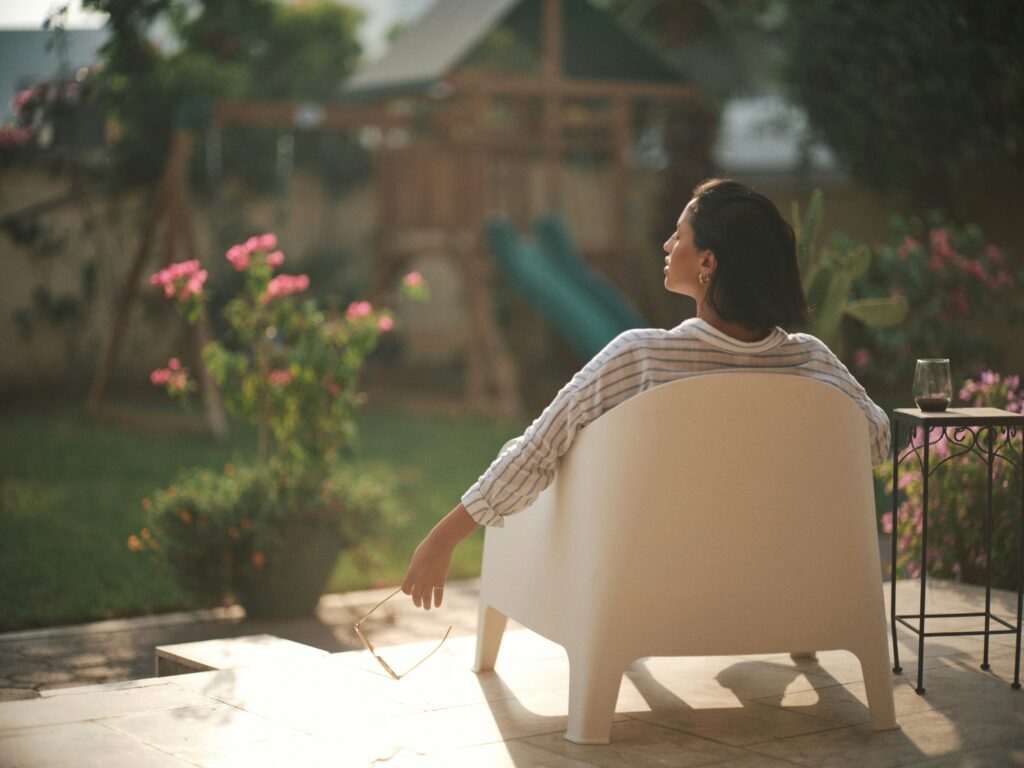
A garden designed only for kids quickly becomes exhausting. Make sure parents have a comfortable place to sit and supervise.
A few ideas:
- a seating area near the play zone
- shade from a pergola or umbrella
- a small table for snacks or a quiet morning coffee
- solar lights for soft evening ambience
Plan it visually with GardenBox 3D so everything feels balanced—no chair awkwardly blocking a play path.
Final Touches: Make the Garden Feel Like a Place You Want to Be
Sometimes it’s the little things that make a garden feel magical.
Try adding:
- string lights
- a stepping-stone trail
- painted “hidden rocks”
- a bird feeder or bug hotel
These touches encourage curiosity and turn an ordinary space into a miniature adventure world.
Conclusion: A Family Garden Starts With a Thoughtful, Playful Plan
Designing a garden your kids will adore doesn’t require a landscaper or a huge budget. It just takes a bit of planning, safe plant choices, and creative touches that invite exploration. With tools like GardenBox 3D, you can test ideas, rearrange layouts, and make confident decisions before building anything.
And once your garden comes to life, something lovely happens — you stop worrying about muddy shoes or scattered toys. Instead, you watch your kids explore, imagine, relax, and grow.
Isn’t that the whole point of a family garden?


