

Creative Outdoor Play Ideas to Keep Kids Entertained Year-Round
This is a collaborative post
Finding new and creative outdoor play ideas can be challenging, especially when trying to keep children entertained all year round. Whether it’s raining or shining, outdoor activities help kids explore their surroundings and develop essential physical and cognitive skills. In fact, research shows that outdoor play boosts children’s social interaction and problem-solving abilities, making it a crucial part of their daily routine. But how do you keep these activities fresh and exciting throughout the year?
To help, we’ve gathered some inventive outdoor play ideas that will engage your children in every season. From crafting your own mud kitchen to making obstacle courses, these activities are designed to be fun, educational, and easy to set up, giving you plenty of options to mix things up, no matter the weather.
Build a Mud Kitchen for Endless Imagination
A mud kitchen is a brilliant way to encourage imaginative play outdoors. This simple yet effective setup lets children mimic real-life cooking activities using mud, sand, water, and natural elements like leaves or sticks. It taps into their creativity and provides hours of open-ended play, which is crucial for developing problem-solving skills and boosting creativity.
Setting up a mud kitchen is simple. You can repurpose old furniture, such as an unused table or cupboard, and fill it with child-safe utensils, bowls, and pans. Add a few buckets of mud and water, and your child will have their very own outdoor kitchen. A mud kitchen not only allows children to explore sensory play, but it also promotes physical activity as they dig, pour, and mix different materials.
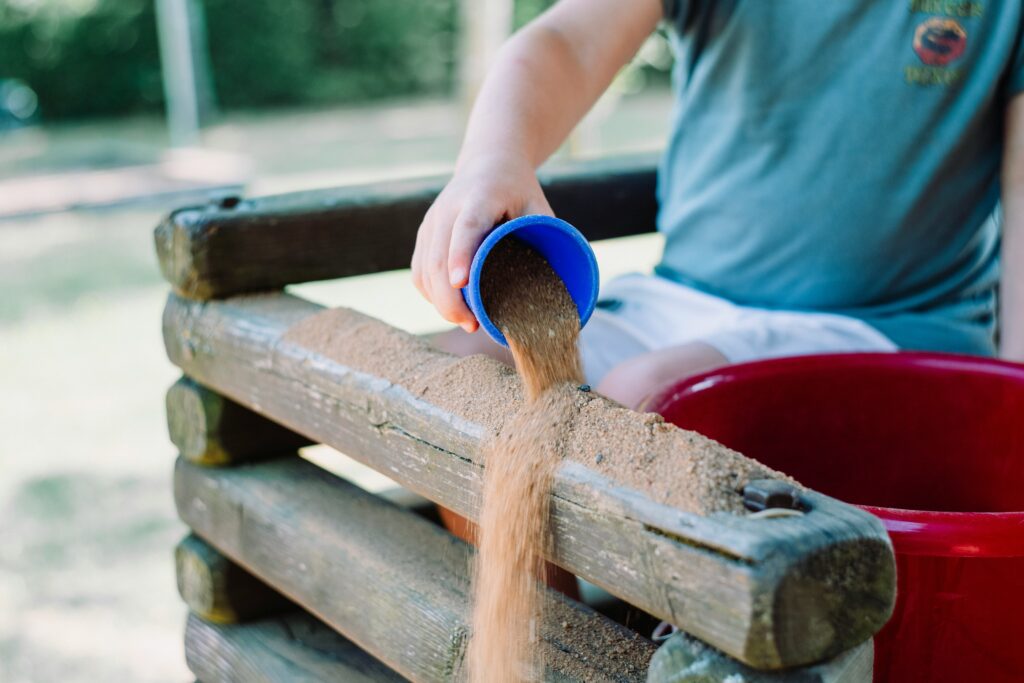
Investing in a ready-made mud kitchen, like those available from TTS Group, ensures durability and safety while saving you the time and effort of building one yourself. These kitchens are designed for all-weather use, making them perfect for year-round play.
Obstacle Courses for Physical Development
Obstacle courses are another fantastic way to get kids moving while having fun outdoors. You can design an obstacle course that suits your garden space and the age of your children, ensuring it’s both challenging and safe. This activity promotes not only physical fitness but also coordination and motor skill development.
Creating an obstacle course doesn’t require expensive equipment. Everyday items like hula hoops, ropes, and cones can be arranged to jump over, crawl under, or weave through. For more permanent outdoor play solutions, explore safe playground equipment from WillyGoat. They offer professionally designed structures that encourage similar physical development within your estate or community. Adding timed challenges or teamwork elements can encourage friendly competition or cooperation, depending on the number of children playing.
In colder months, you can easily adapt the course by incorporating different textures like snow, wet leaves, or even mud, keeping the activity interesting no matter the season. This ensures that the obstacle course remains engaging and encourages regular outdoor play, regardless of the weather.
Nature Scavenger Hunts to Stimulate Learning
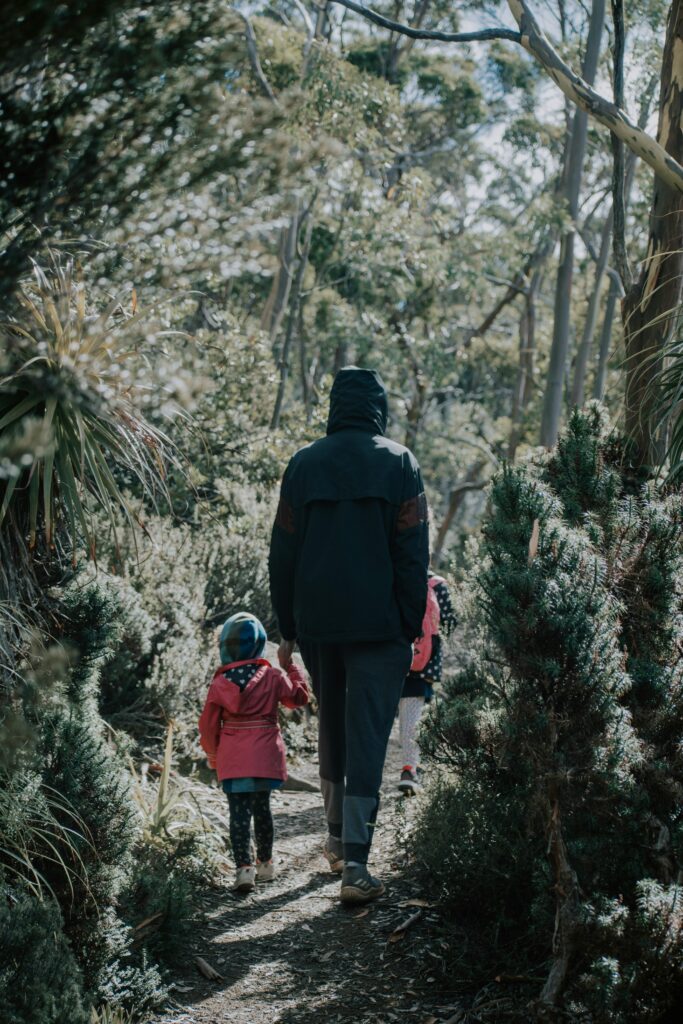
A nature scavenger hunt is an excellent way to engage children with their surroundings while learning about different aspects of nature. These hunts can be customised based on the season, allowing children to discover new plants, insects, or weather patterns throughout the year.
To organise a scavenger hunt, prepare a list of items for your children to find. In spring, you might focus on flowers and insects; in summer, you can add things like shells or feathers. In autumn, leaves and acorns can be the focal point, while in winter, snow or frost patterns might add a magical element.
This activity encourages exploration, patience, and observation skills, which are important for cognitive development. It’s also a great way for children to learn about their environment while having fun. You can turn it into a learning opportunity by asking questions about the items they find, such as their colour, texture, or purpose in the ecosystem.


