

A Beginner’s Guide to Making Your Home More Family-Proof
This is a collaborative post
Raising a family transforms your house into a high-traffic, high-risk zone, especially if you have toddlers, tweens, pets, or all three. It’s not just about safety, either. It’s about durability, maintenance, and the small wins that make life smoother when spills, knocks, and chaos are part of daily life. Family-proofing is about smart, sustainable changes that protect your space and your sanity. This guide is here to help you get started—practically, creatively, and confidently.
The Most Common Breakages in Family Homes
You’d be surprised how often the same things get broken in homes with kids. Some top contenders?
- Cabinet doors and drawer runners – Young kids love to slam and tug. Poor-quality fittings rarely survive the toddler years.
- Toilet seats and flush mechanisms – Often overlooked, but highly vulnerable. Think repeated slams, yanks, and curious button-pushers.
- Wall paint and wallpaper – Crayon murals, grubby fingerprints, and unintentional scuffs can turn pristine walls into abstract expressionist canvases.
- Handles and hinges – Closet and door handles loosen quickly when little hands hang on them.
- Screens and remotes – From TV remotes chewed by teething babies to cracked iPad screens, tech rarely survives untouched.
Knowing what typically breaks helps you plan better. Focus your early efforts where the risk is highest.
Quick Fixes Every Parent Should Know
There’s a difference between living in a “fixer-upper” and a home that’s simply had a rough morning with toddlers. A few fast repairs can save you time and stress:
- Wall scuffs: Keep a magic eraser sponge or touch-up paint on hand. Spot-cleaning can make a room look freshly painted.
- Loose screws in handles or hinges: Rather than tightening them weekly, use thread-locking glue or opt for longer screws for a better hold.
- Furniture stability: Anti-tip kits are a must. Install them on bookshelves, dressers, and TVs. These kits take minutes but provide long-term peace of mind.
- Seal grout and edges: Resealing bathroom grout or kitchen corners with mildew-resistant silicone stops water damage and keeps things looking clean.
- Fix stripped screw holes: This is a common frustration. You can use matchsticks and wood glue, but efixings offers a faster, cleaner solution: the fast and easy way to buy high-quality screws and fixings at low prices. Having a stash of reliable parts means you’re never caught off guard.
Taking time to learn a few basic fixes (and having a small toolbox ready) puts you in control of minor disasters.
When to DIY and When to Call in a Pro
Not everything should be a weekend project, and not everything needs a contractor either. Here’s how to tell the difference:
DIY is best for:
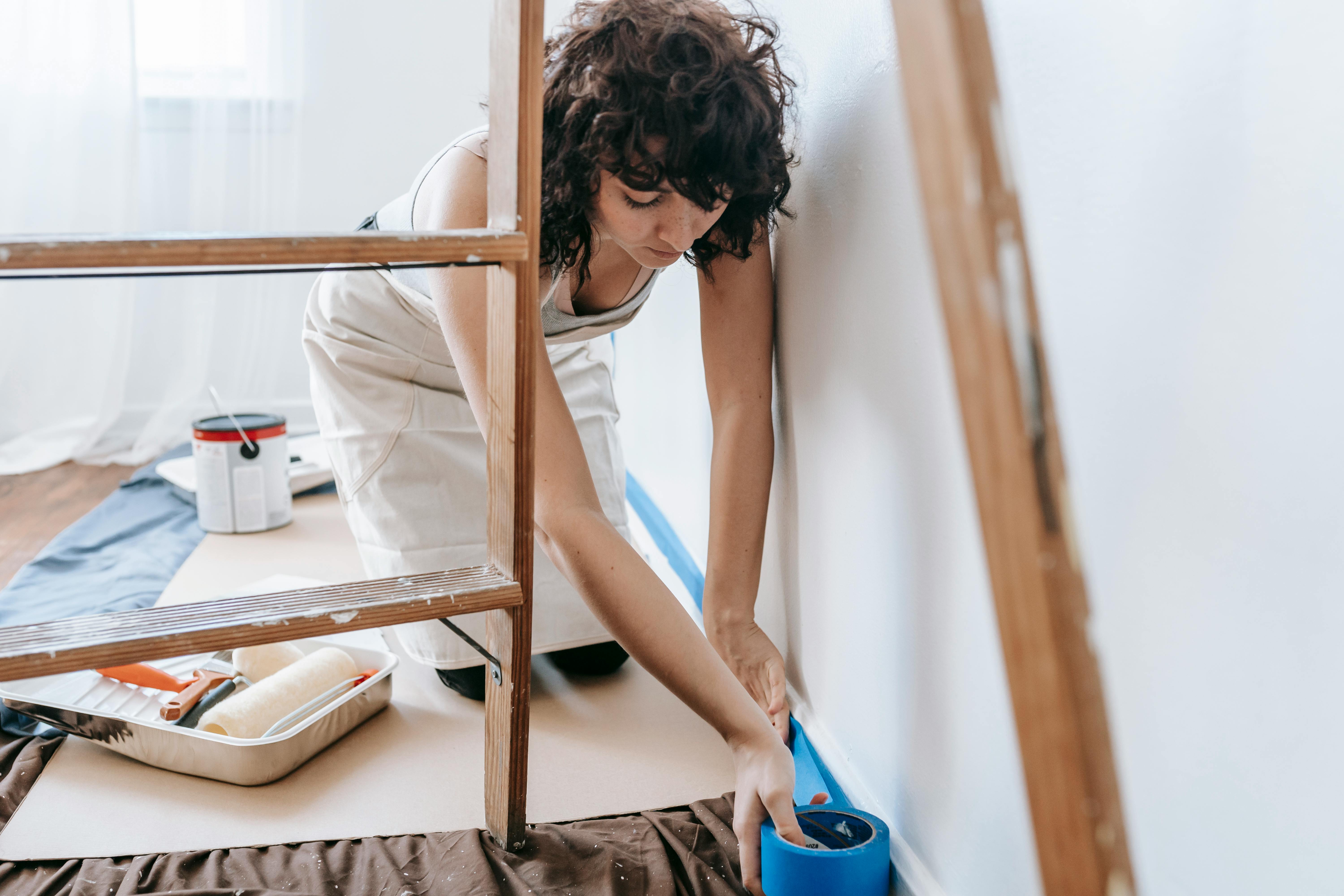
- Repainting walls or touch-ups (with washable, family-friendly paint).
- Installing safety gates, outlet covers, or cabinet locks.
- Hanging artwork securely with proper wall anchors.
- Replacing tap washers or tightening wobbly chairs.
Call in a pro when:
- There’s electrical work involved. Changing outlets or moving wires isn’t worth the risk. Always hire a licensed electrician.
- Water damage is visible. What looks like a stain might be mould behind a wall. Plumbers or building inspectors can trace the source.
- Doors or windows stick, sag, or don’t close properly. This could indicate foundational shifts or structural issues.
- You’re renovating to add space or functionality. A well-designed upgrade can make your home more family-friendly and increase its value, especially if done by a qualified tradesperson.
Out-of-the-box solutions? Consider using corner guards made from repurposed yoga mats, installing magnetic locks instead of traditional latches for cleaner aesthetics, or using chalkboard paint on a lower wall section to create a “drawing zone” that contains creative messes.
Final Thoughts
Family-proofing isn’t a finish line but rather an evolving strategy. As your kids grow, so do their needs (and the ways they test your furniture). With the right mindset, a bit of DIY confidence, and reliable help when needed, your home can stay functional, safe, and welcoming. Small upgrades go a long way, and a family-proof home is one where memories are made, not just messes.


