

How Can You Stay Hydrated Throughout The Day?
This is a collaborative post
Hydration is a fundamental physiological process critical for sustaining life and ensuring the proper functioning of bodily systems. The human body comprises approximately 60% water, highlighting its importance in maintaining homeostasis and facilitating various biochemical reactions.
Dehydration, resulting from an imbalance between water intake and loss, can significantly impact cognitive and physical performance, as well as overall health outcomes.
Given the multifaceted roles of water in metabolic processes, it is imperative to explore effective strategies for sustaining adequate hydration levels throughout the day. So, let’s see how you can optimize hydration with actionable insights into maintaining optimal fluid balance for enhanced health and well-being.
Staying Hydrated Throughout the Day Is Crucial
Maintaining proper hydration levels throughout the day is crucial for overall health and well-being. Water plays a vital role in regulating body temperature, aiding digestion, transporting nutrients, and flushing out toxins.
Dehydration can lead to fatigue, impaired cognitive function, and other adverse health effects. To stay hydrated, aim to drink at least 8-10 cups (about 2-2.5 liters) of water daily, adjusting for factors like activity level and climate. Incorporating hydrating foods into your diet and listening to your body’s thirst cues are also essential.
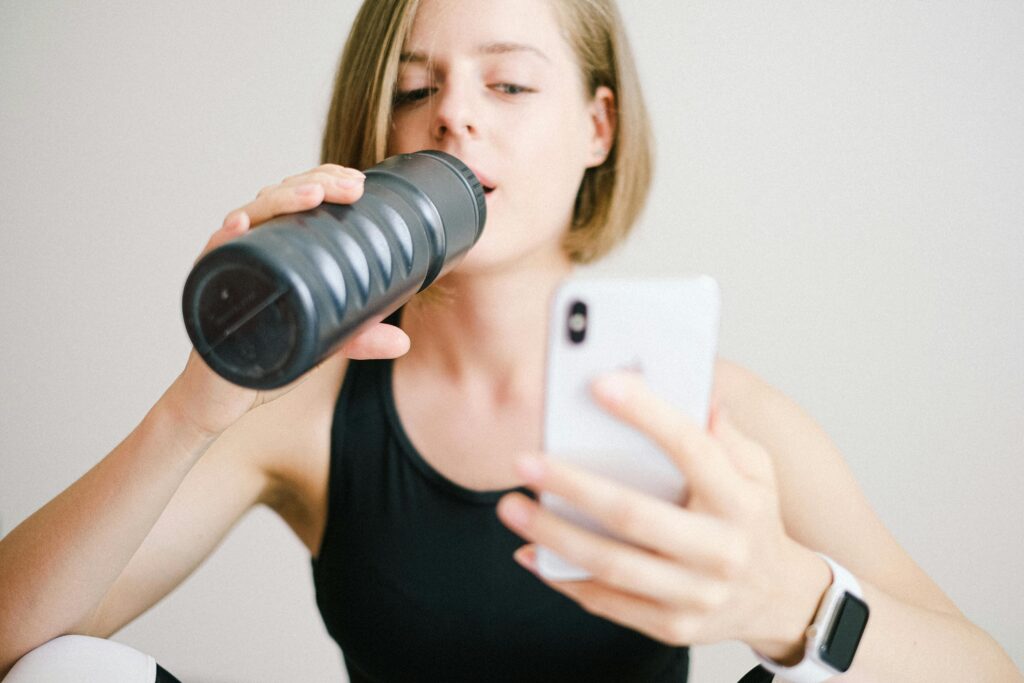
Strategies for Staying Hydrated
Implementing effective strategies can help ensure consistent hydration throughout the day. Here, we delve into four methods for staying hydrated.
Set a Hydration Goal
Aiming for a daily intake of 8-10 cups (about 2-2.5 liters) of water is a general guideline, but adjustments may be necessary based on factors such as age, weight, activity level, climate, and overall health status.
Establishing a hydration goal based on individual needs and circumstances is paramount for maintaining optimal fluid balance. Calculating specific fluid needs involves considering water losses through perspiration, respiration, and excretion. Athletes, for instance, may require more fluids to compensate for increased sweat losses during exercise.
Accounting for fluid-rich foods and beverages in the diet contributes to overall fluid intake. Setting realistic hydration goals promotes adherence to healthy habits and supports optimal physiological function.
Create a Hydration Schedule
Developing a hydration schedule facilitates consistent fluid intake throughout the day. Timing water consumption around key daily events such as meals, exercise, and breaks can enhance hydration efficiency.
Starting the day with a glass of water upon waking replenishes fluids your body has lost overnight. Dividing total fluid intake into manageable portions spread evenly across the day ensures steady hydration without overwhelming the body’s capacity for fluid absorption.
Consider incorporating reminders or alarms to prompt water consumption at regular intervals. Adjust the hydration schedule based on individual preferences, lifestyle factors, and environmental conditions.
Keep a Bottle Where You Spend More Time
Strategically placing a water bottle in environments where you spend the most time serves as a practical reminder to maintain hydration throughout the day. Whether at work, school, or home, having easy access to water encourages regular consumption.
Opting for a reusable, eco-friendly water bottle ensures convenience while minimizing environmental impact. Positioning the bottle within sight or reach serves as a visual cue to drink water regularly.
Consider factors such as bottle size, material, and insulation to optimize usability and encourage frequent refills. Keeping multiple bottles in different locations further facilitates hydration, ensuring access regardless of activity or setting.
Make Hydration Fun
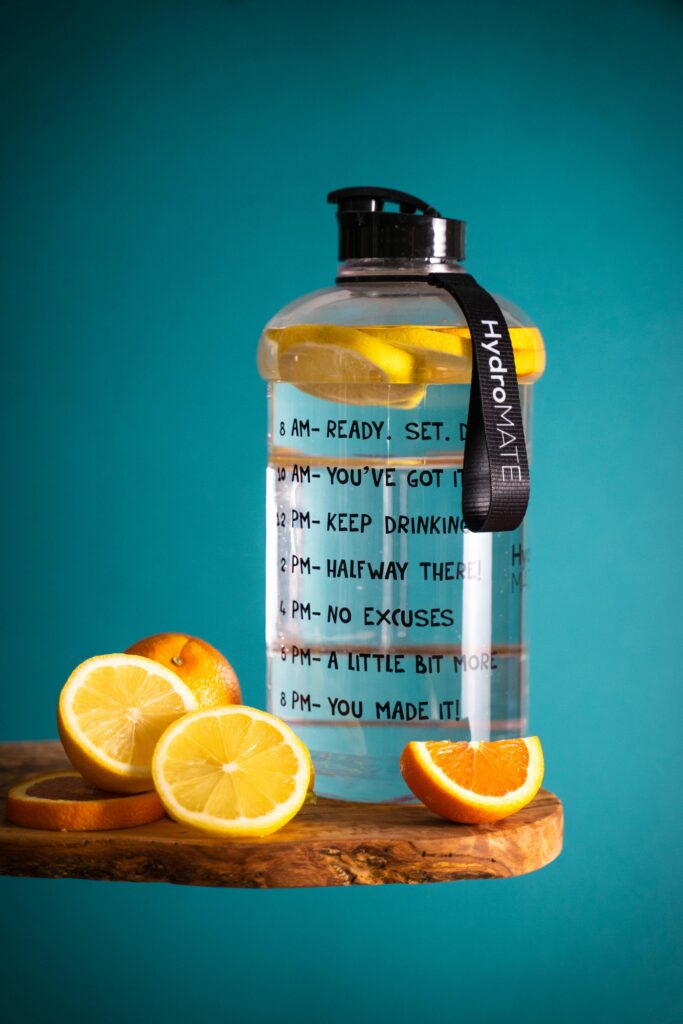
Injecting enjoyment into hydration can enhance motivation and compliance with fluid intake recommendations. Experimenting with infused water recipes incorporating fruits, herbs, or vegetables adds flavor and variety, making hydration more appealing.
Using colorful or personalized water bottles adds an element of personalization and encourages ownership of hydration habits. Gamifying hydration by setting challenges, tracking progress, or using hydration apps fosters engagement and accountability.
Incorporating social aspects such as group challenges or sharing hydration goals with friends and family promotes a sense of community and support.
How to Combat Dehydration Rapidly
IV therapy in South Boston is an effective method to rapidly combat dehydration. This therapy quickly replenishes lost fluids and electrolytes, restoring hydration levels.
IV fluids typically contain a balanced solution of water, sodium, potassium, and other essential electrolytes that are administered directly into your bloodstream. This approach bypasses the digestive system, ensuring rapid absorption and delivery of fluids to cells throughout the body.
This approach is commonly used in medical settings to treat dehydration caused by conditions such as vomiting, diarrhea, or heatstroke, providing swift relief and facilitating recovery. However, this therapy has recently become available outside of medical facilities and can be brought directly to homes, hotels, and even the gym.
Look for the Signs of Dehydration
Recognizing the signs of dehydration is crucial for prompt intervention. Symptoms include increased thirst, dry mouth, dark-colored urine, infrequent urination, fatigue, dizziness, and confusion. To assess hydration status, monitor urine color (ideally pale yellow), frequency, and volume.
Dry skin, sunken eyes, rapid heartbeat, low blood pressure, and fainting may manifest in severe cases. Infants and older adults are particularly vulnerable.
Pinch the skin; if it remains tented, dehydration may be present. Other indicators include dry mucous membranes, sunken fontanelles (in infants), and decreased tear production. Promptly addressing dehydration helps prevent complications and supports overall health.
If symptoms persist or worsen, prompt medical attention is essential.
The Takeaway
To maintain optimal hydration levels, consider these strategies: carry a refillable water bottle, set reminders to drink water regularly, incorporate hydrating foods like fruits and vegetables into your diet, limit dehydrating beverages like alcohol and caffeinated drinks, and pay attention to thirst cues.
Remember, small adjustments in daily habits can lead to significant improvements in hydration levels and overall health.


