

4 Sensory Changes To Make To Your Child’s Bedroom
This is a collaborative post
If you have a child with particular sensory needs or aversions, building a bedroom with sensory features can allow them to have a safe space to relax away from the stresses of everyday life.
If you’re interested in building a sensory space, here are 4 changes you can make to your little one’s room to create the ultimate safe space.
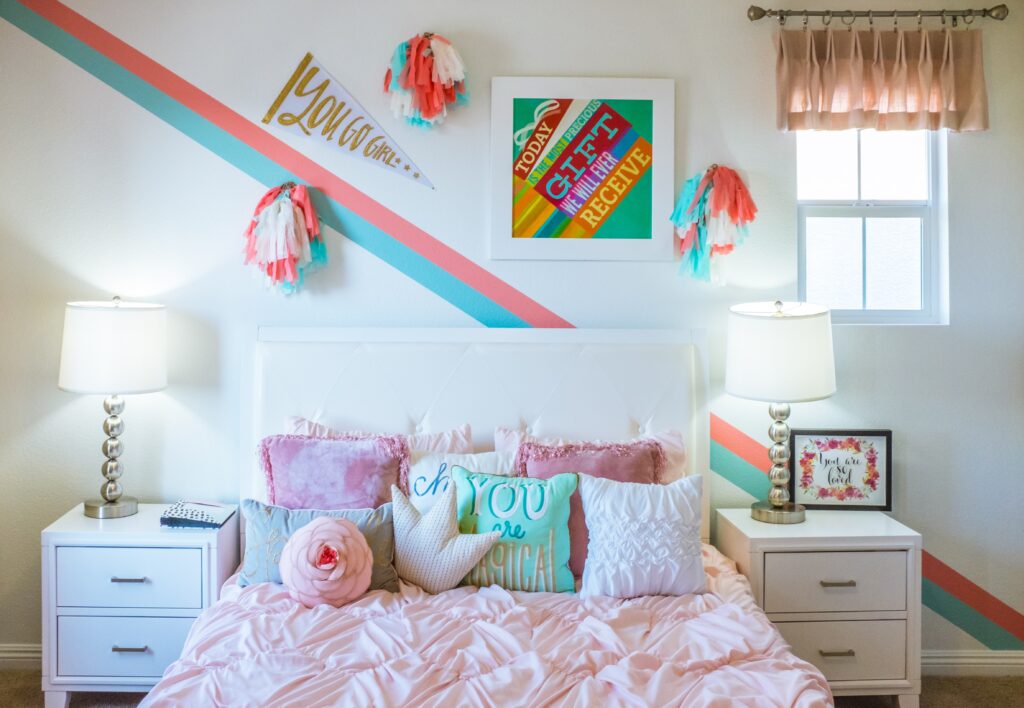
1. Use Mood Lights
Mood lights are an excellent tool for creating a calming atmosphere for your child, especially around bedtime. Studies have shown that neutral and mellow colour tones can be excellent for calming children, particularly those with Autism Spectrum Disorder.
You can use colour changing LED fairy lights, night lights or tinted bulbs in your child’s favourite colour to help with sensory regulation in their new room.
2. Be Intuitive with Bed Choices
A bed is a safe haven for everyone, including children. Ensuring that you choose the right one for your child can have an incredibly positive impact on their sleep, and help them to learn self-soothing techniques during the night. It can also be reassuring for night terrors, fears over the monster under the bed, and worries about the dark.
Archers Sleep Centre is a company that sells comfortable mattresses that are made from high-quality materials and technologies which will help your child to find a mattress that’s right for them in order to have the best night’s sleep.
3. Use Soft Textures
Texture can be very important for children with sensory challenges, so providing a variety of your child’s favourite textures can be an excellent way for them to relax. You can use curtains, soft furnishings like bean bags, or a soft swing. Soft mats and large pillows can also be useful.
RUComfy beanbags have been supplying sensory bean bags since 1982. With free next day delivery, you can plan for a fast turnaround for your little one’s new room. These beanbags are also designed to include a variation of fabrics for sensory regulation.
Some children also appreciate soft toys made with certain materials, as this can provide a comforting sensation in times of stress.
4. Be Child Driven
By involving your child in the decoration of their room, you can allow them to develop valuable decision making skills, and help them to figure out which strategies will help most with sensory overload.
This approach will also help your child to feel safe in their own space, and will encourage them to be proud of their bedroom, and take pride in keeping it clean and tidy.


