

Adaptations for Families to Make your Bathroom More Mobility Friendly
This is a collaborative post - This blog is a commissioned article with Bathing Solutions
When you think of the word home, the concept goes far beyond the physical bricks and mortar used to build it. A family home is more than a physical place, it’s a space where all members of that household should have the confidence to access where they need to go and what they need to do, as independently as possible.
For families where mobility is an issue, accessibility obviously plays a major factor in how successfully they can live independently within their own homes. Add to this, the complexity of UK residences – the age of the building itself, coupled with the vast differences between all the different styles of properties, there is a lot to consider.
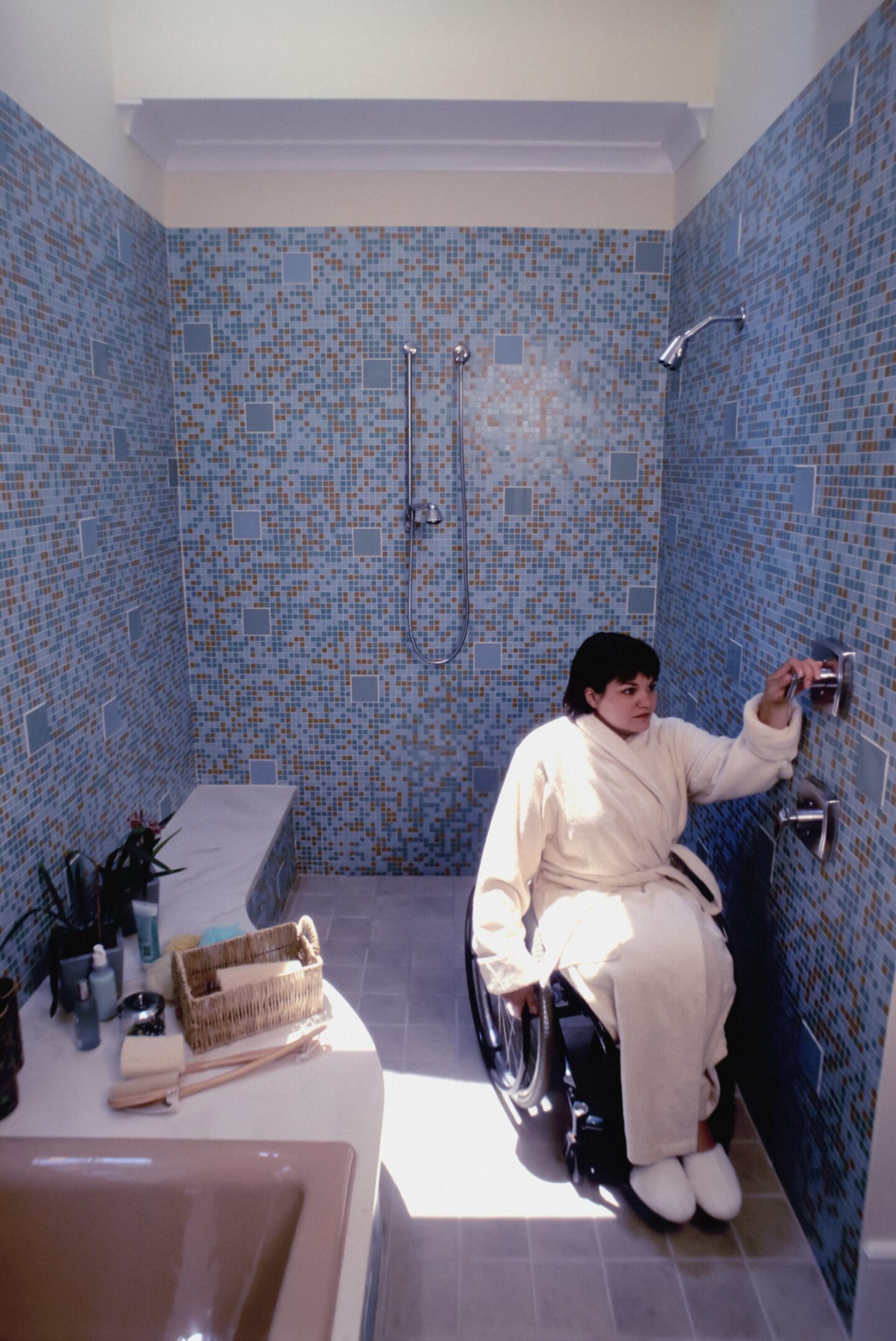
If one individual in a family has mobility constraints or confidence issues, then there are lots of modifications available than can help with these issues all around the home. Specifically, today, we are going to look in more detail at the modifications available for bathrooms.
Out of all the rooms in a home, the bathroom is one that can be the most private for an individual, so making changes to this space, is key to providing independence, in one of the spaces that someone needs it most.
First up, let’s have a look at the types of modifications available for baths for disabled people. You could be mistaken in thinking that there are very limited options, when it comes to choosing a new more accessible bathroom suite, but in fact there is a plethora of different stylish choices available to UK families with different accessibility needs.
When designing your new bathroom, if you are looking to stick with a traditional bath, there are a variety of different modifications you can have, to make it more accessible. There are full length baths with a door option and also powered seats that can lower someone into the right position.
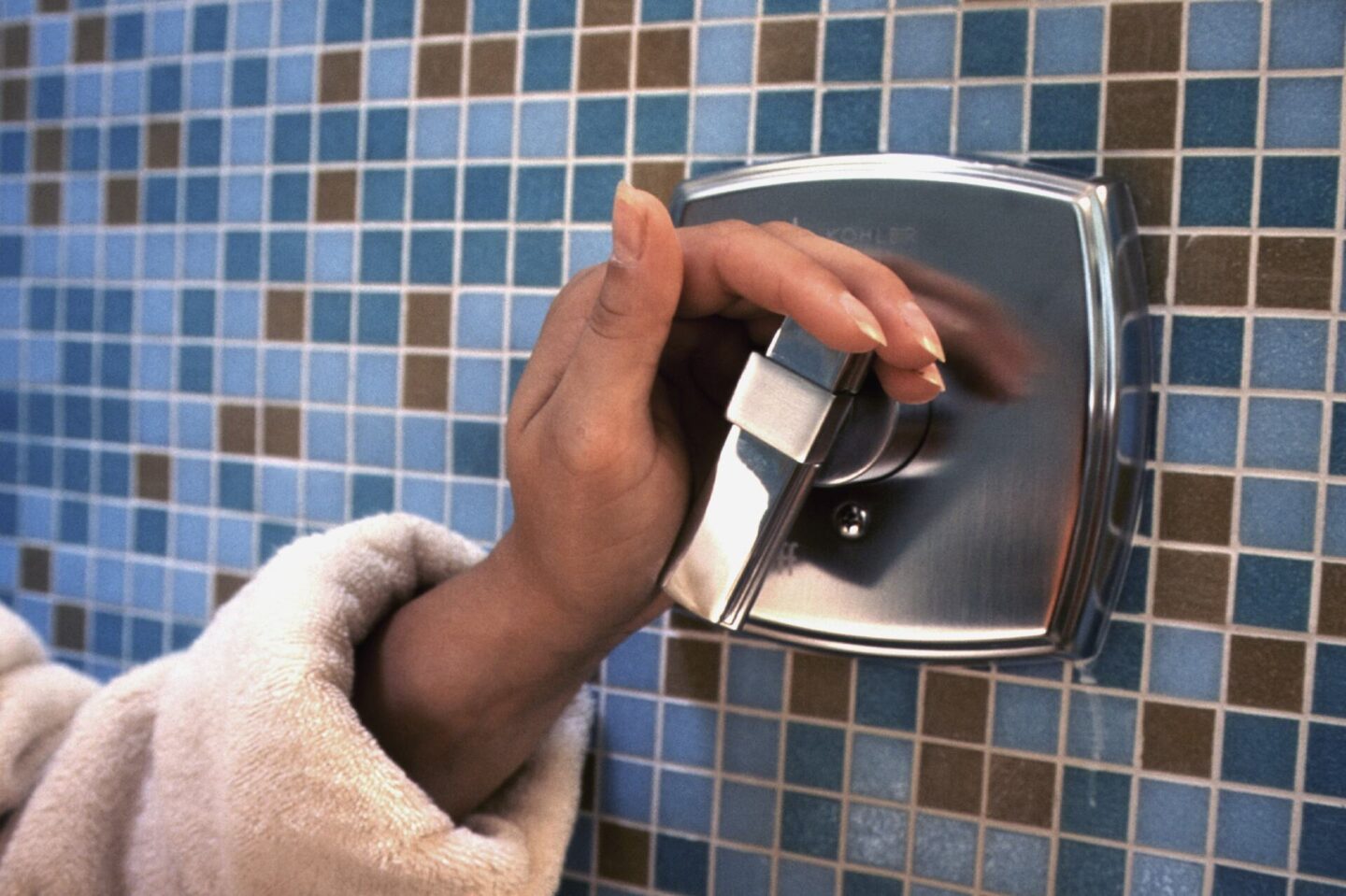
There are also walk in showers now available in the UK that have been designed specifically with accessibility in mind. Although not always immediately obvious, there are lots of little changes to these showers that make them easier to use, for those with mobility issues. These can include grab rails and often a bench or seat to aid with bathing standing up. Another difference to a traditional shower is that these are designed to be flat on the ground, eliminating the need to step into the shower, without a step-up bath tray.
Another bathroom feature that’s become extremely popular in recent years, is the wet room. As well as being a stylish interior feature to a home, they also easily lend themselves to modification to those less mobile. The wet room style firstly takes away the issue of having to step into a bath or shower, as everything is already on the same level. You can also get flooring that’s more slip resistant and also tempered glass options, that’s safer, for shower doors.


