

How Women Can Rebuild Body Confidence After Major Life Changes
This is a collaborative post
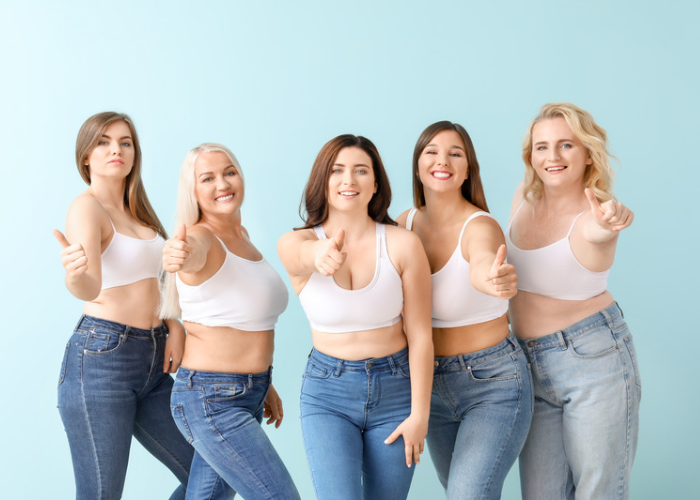
Have you ever looked in the mirror and felt that your body no longer looks the way it once did? Pregnancy, ageing, hormonal changes, major illnesses, and surgery can all affect a woman’s physical appearance and how she feels about herself.
These changes are natural, but adjusting to them isn’t always easy. Some women feel uncomfortable wearing certain clothes, while others become less confident in social situations or personal relationships.
The good news is that rebuilding body confidence doesn’t mean returning to a previous appearance. It involves developing a healthier relationship with the body, understanding physical changes, and finding practical ways to feel comfortable again.
Why Major Life Changes Can Affect Body Confidence
Body confidence is closely connected to personal identity, emotional wellbeing, and everyday experiences. When physical changes happen unexpectedly, accepting a different appearance can take time.
Understanding what causes these feelings is an important first step towards managing them.
Pregnancy and Postpartum Changes
Pregnancy can cause noticeable changes in body shape, breast size, skin, and weight. After childbirth, some women also experience stretch marks, loose skin, or changes in muscle strength.
Rather than expecting immediate physical recovery, women can focus on gradual movement, proper nutrition, and adequate rest. Postpartum recovery varies, particularly after complicated deliveries or caesarean sections.
Ageing and Hormonal Changes
During perimenopause and menopause, hormonal changes may affect body composition, skin, and sleep patterns. These changes can influence how women perceive their appearance.
Regular physical activity, balanced meals, and strength-building exercises can support physical health. The NHS also recommends looking after mental wellbeing and maintaining healthy sleep habits during menopause.
Illness and Medical Treatment
Serious illnesses and medical procedures can sometimes cause permanent physical changes. Surgical scars, changes in breast shape, and treatment-related hair loss may affect confidence.
Emotional adjustment may continue even after physical recovery. Understanding that these feelings are valid can make it easier to ask for appropriate support.
Practical Ways to Rebuild Body Confidence
Regaining confidence rarely happens overnight. Small, consistent changes in daily habits can help women feel more comfortable with their bodies without placing unnecessary pressure on appearance.
The following approaches focus on personal comfort, emotional health, and realistic expectations.
Focus on What the Body Can Do
Instead of concentrating entirely on appearance, women can pay attention to physical abilities and everyday improvements.
For example, walking comfortably after surgery, improving strength, or returning to enjoyable activities can provide a sense of progress.
Physical activities should always match individual health needs, particularly during recovery.
Choose Clothes That Feel Comfortable
Clothing can influence how women feel about their appearance. Wearing outfits that fit their current body shape may help reduce discomfort and improve confidence.
Rather than keeping clothes that no longer fit comfortably, women can experiment with different cuts, supportive underwear, and fabrics that suit their preferences.
The objective isn’t to hide physical changes but to feel comfortable in everyday situations.
Reduce Unhelpful Comparisons
Social media often presents carefully selected images that may create unrealistic expectations about appearance.
Comparing postpartum bodies, weight changes, or recovery experiences with others can increase dissatisfaction.
Limiting appearance-focused content and following accounts that promote realistic body diversity may support healthier attitudes towards body image.
When Professional Support Can Help
Sometimes, body confidence concerns are connected to medical experiences or emotional difficulties that require additional support. Understanding the available options can help women make informed decisions.
Professional care should focus on individual needs rather than pressure to achieve a particular appearance.
Understanding Options After Major Surgery
Women recovering from breast cancer treatment may experience changes in breast shape, sensation, and appearance.
Some explore options such as external breast prostheses or reconstructive procedures. For example, women researching breast reconstruction surgery in abu dhabi may wish to understand surgical approaches, possible complications, recovery requirements, and expected outcomes before consulting a specialist.
Reconstruction is a personal choice and isn’t necessary for everyone. Some women prefer remaining flat after mastectomy, while others find reconstruction helpful.
Recognising When Emotional Support Is Needed
Persistent body dissatisfaction can sometimes affect relationships, social activities, or mental health.
Speaking with a counsellor, psychologist, or healthcare professional may help when appearance-related concerns become difficult to manage.
Support groups can also provide opportunities to connect with women who have experienced similar physical changes.
Building a Healthier Relationship With the Body
Long-term body confidence comes from developing realistic expectations and treating physical changes with understanding. It doesn’t require feeling positive about every aspect of appearance.
Women can begin by recognising negative self-talk, avoiding harsh comparisons, and setting achievable health goals. Celebrating improvements in strength, comfort, and emotional wellbeing can also help.
Most importantly, personal confidence shouldn’t depend entirely on physical appearance. Relationships, interests, achievements, and individual values contribute to how women see themselves.
Conclusion
Rebuilding body confidence after major life changes is a gradual and personal process. Pregnancy, ageing, illness, and surgery can change physical appearance, but these experiences don’t have to determine self-worth.
By focusing on physical wellbeing, comfortable daily routines, realistic expectations, and appropriate support, women can develop a more positive relationship with their bodies.
The aim isn’t to look exactly as before. It’s to feel comfortable, confident, and secure in the body they have today.


