

What are Carpet Moths?
This is a collaborative post
At first glance, moths don’t appear to be that threatening. This perception may be reasonably accurate, due to the fact that they don’t directly harm humans, but as with most things, the complete picture is a bit more complicated.
Moths can result in a lot of damage inside the home, eating or destroying a range of different materials. One specific culprit in this category is the carpet moth, but what actually are these little critters? Let’s take a closer look.
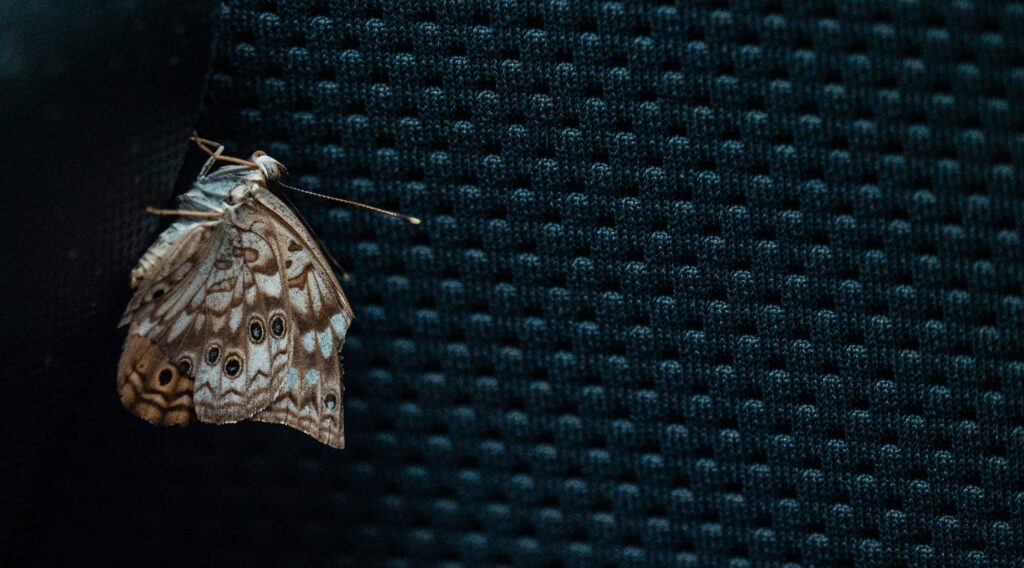
Trichophaga tapetzella
The scientific name for carpet moths is Trichophaga tapetzella. However, most people refer to them as carpet moths, due to the ravaging effects that they can have on carpets and other natural fibres. They can survive in a range of different climates around the world, although things like temperature and access to food will have an impact on when they’re most prevalent and how long they take to fully develop.
What damage can they do?
As the name suggests, these kinds of moths are most commonly known for their ability to destroy natural materials more generally, but carpets in particular. Contrary to popular belief, however, it isn’t actually the adult moths that do the damage – it’s their younger selves, in the form of larvae.
During the larval stage, they feed on natural materials, consuming a natural protein called keratin. Materials that they’re particularly attracted to include wool, silk, and even cotton in some cases, all of which can be found in a number of carpets.
They tend to get to work on darker, undisturbed areas, especially at first. Once they’re done eating, the carpet in that area can start to fall to pieces, leaving it with a bunch of holes and threadbare patches that look quite horrible.
How can they be combatted?
Getting rid of carpet moths isn’t easy, but there are a number of things you can do. Organisations like Moth Prevention specialise in moth eradication, supplying moth traps, moth killing kits and even fumigation services.
In most cases, however, it’s far more effective to take a proactive approach. If you have carpets that you know are made using natural fibres, then try to invest in traps and other moth prevention products before they turn into any kind of issue at all.
General cleanliness
You can also help to prevent moths in your home by keeping your space clean. Make sure that you don’t leave carpets covered in boxes or laundry for long periods of time, and adopt a regular vacuum cleaning schedule. Not only will these habits result in fewer moths in your home, but they’ll also make your living space a much more enjoyable environment to spend time in.
Moths can be a massive pain to deal with, but it’s important to not put it off and instead act as fast as possible. Take preventative measures to avoid moths in the first place, and if you do spot any carpet moths in your home, act quickly to get rid of them before they start to decimate the natural fibres in your property.


