

How Professional Architects Balance Aesthetics and Functionality in Modern Designs
This is a collaborative post
The art of architecture is a delicate balance of form and purpose. Today’s architectural landscape demands designs that not only captivate the eye but also serve a purpose. Marrying beauty with practicality requires skill, vision, and a deep understanding of human needs. Modern architects face this challenge head-on, crafting spaces that are both visually stunning and inherently useful.
The Philosophy of Balanced Design
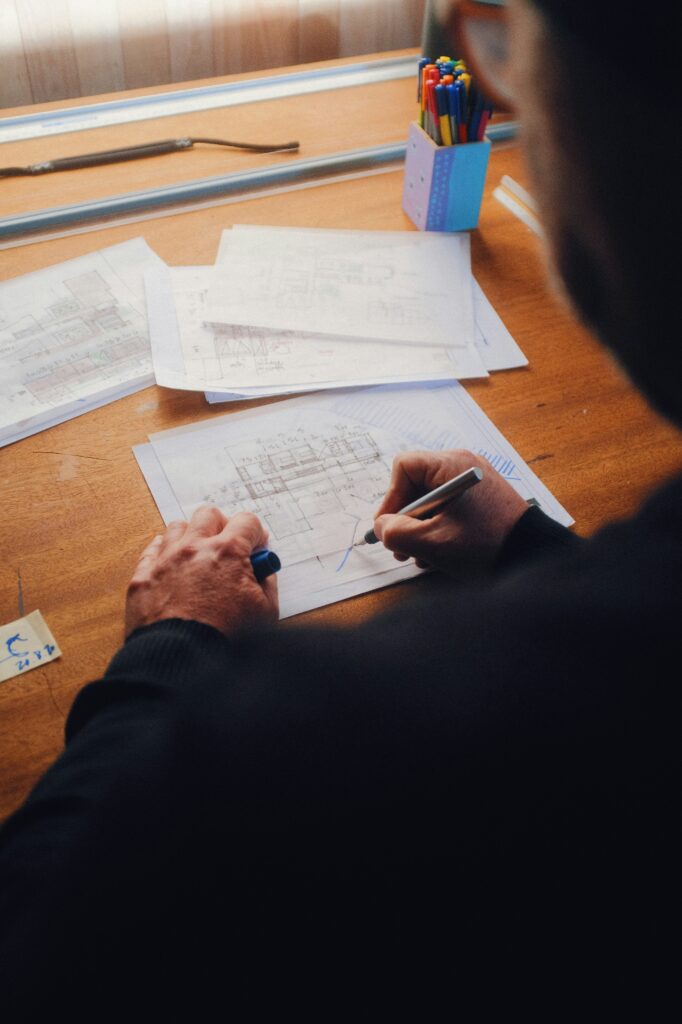
Every architectural project begins with a foundation of ideas. Central to these ideas is the integration of aesthetics with functionality. Thomas Robinson Architects exemplify this principle, creating buildings where visual appeal complements everyday utility. Their approach demonstrates how attention to detail and a deep understanding of space can transform simple structures into iconic landmarks.
Understanding the Role of Aesthetics
Aesthetic value is about more than appearances. It encapsulates harmony, proportion, and the emotional response a design elicits. Architects must consider materials, textures, and colors to craft spaces that feel cohesive. From sleek urban facades to rustic countryside homes, each element is chosen with care to create an inviting environment.
The Impact of Visual Appeal
An engaging design has the power to inspire. Whether it’s a commercial building or a private residence, visual charm can enhance the way people interact with a space. Beyond surface-level attractiveness, architects strive to design structures that leave a lasting impression, ensuring their work remains relevant over time.
The Importance of Functionality
Functionality ensures a building serves its intended purpose. No matter how striking a structure may appear, it falls short if it fails to meet the needs of its users. Architects carefully consider factors such as spatial flow, lighting, and access, ensuring practicality is never compromised.
Designing for Everyday Use
Thoughtful design accommodates diverse needs. For instance, office spaces must facilitate productivity, while homes should prioritize comfort and warmth. By addressing these requirements during the design process, architects create spaces that enhance daily life.
Striking the Perfect Balance
The union of form and function demands a flexible approach. Architects must constantly adapt, blending artistic vision with pragmatic solutions. This dynamic process often involves collaboration with engineers, interior designers, and clients to ensure every detail aligns with the broader vision.
Innovating Through Technology
Advanced tools such as 3D modeling and virtual reality allow architects to visualize projects with incredible precision. These technologies enable them to experiment with designs, refining details to achieve an optimal balance between aesthetics and usability.
The Human Element in Design
At its core, architecture is about people. Successful designs reflect the needs, desires, and lifestyles of those who will inhabit the space. By prioritizing user experience, architects ensure their creations resonate on a personal level.
Enhancing Well-Being Through Design
Thoughtful architecture has the power to uplift. Incorporating natural light, ergonomic layouts, and sustainable materials can improve both physical and mental well-being. Such elements not only make spaces more functional but also enrich the lives of those within them.
Sustainability in Modern Architecture
Environmental considerations have become integral to architectural design. Today’s architects are tasked with creating structures that are as eco-friendly as they are beautiful. From energy-efficient systems to the use of recycled materials, sustainability is a key factor in modern projects.
Green Designs for the Future
Incorporating green roofs, solar panels, and water-saving technologies ensures buildings contribute positively to the environment. These innovations demonstrate how functionality and aesthetics can align to address global challenges.
Conclusion: The Art of Harmony
Balancing aesthetics and functionality requires both creativity and technical expertise. Modern architects, like those at Thomas Robinson Architects, showcase how thoughtful designs can unite beauty and practicality, crafting spaces that inspire while serving their purpose. As architecture evolves, this harmonious approach will remain central, defining the spaces of tomorrow.


