

3 Ways to Create Family Spaces in your Home
This is a collaborative post
Creating a home that works for every family member can feel like a challenge, especially if space is limited. But with a few smart adjustments, you can create designated areas within your home that serve different purposes—like a cosy reading nook, a play area, or a quiet space for work and study. The great thing is, you don’t need to make any big structural changes to do this!
Here are three ideas for creating flexible family spaces that will make your home more functional and enjoyable…
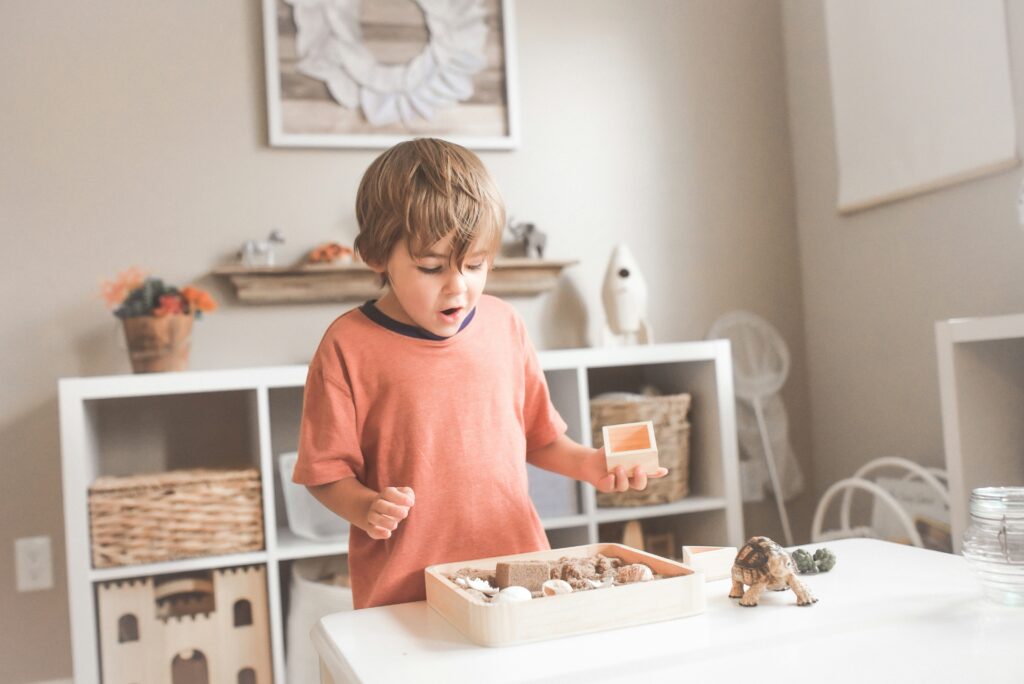
1. Set Up a Cosy Reading Nook or Play Area
In a busy family home, having a dedicated corner for reading or a spot where kids can play is incredibly valuable. You don’t need a huge room or elaborate setup; a small, inviting corner can go a long way. Choose a spot that’s tucked away from the main hustle and bustle of the house—like an unused corner in the living room, a space under the stairs, or a little alcove by a window.
For a reading nook, a comfy armchair or a pile of oversized floor cushions makes it inviting. Add a soft throw, a small bookcase or a few floating shelves for storage, and a reading lamp for a cosy, warm atmosphere. If it’s a play area you’re after, a soft rug, some storage baskets, and a few child-friendly pieces of furniture will do the trick. It is particularly effective when the living room or space area is distinctly defined but comfortable enough for daily use. Introducing components such as kid’s carpets that facilitate the creation of a cozy play zone will help children settle down to play, making their playing experience more enjoyable and organised. Colourful pillows or bean bags can make the area feel fun and engaging for kids, and storage boxes can help keep toys neatly contained.
2. Designate a Quiet Workspace for Homework or Remote Work
Creating a dedicated workspace is essential, especially for families where the kids need a spot for homework or parents are working from home. You don’t need an entire office; a small desk and chair in an underused corner of the dining room, living room, or even a bedroom can work well.
A simple desk with drawers or shelves nearby can help keep supplies organized. Adding a desk lamp will provide the needed light for focused work without disrupting the rest of the room. If you’re in a high-traffic area, consider arranging the desk so it faces away from distractions. Using vertical space is also helpful—floating shelves or wall-mounted organizers can keep everything within reach and maintain a tidy look.
To create more privacy in this space, internal folding doors can be a great option. Unlike traditional doors, folding doors don’t take up much space when open, and they can easily close off a section of the room when you need a bit more quiet. Runners UK, for instance, offers bifold door tracks that make opening and closing these doors smooth and easy, giving you the flexibility to go from open-plan to focused workspace in seconds. It’s a simple way to adapt an existing room for multiple functions.
3. Make the Most of Shared Family Areas with Flexible Furniture
In shared spaces like the living room or dining area, flexible furniture can make all the difference. Look for pieces that can easily be moved, rearranged, or have dual purposes. For example, storage ottomans can work as extra seating, toy storage, or even a table surface when needed. Foldable furniture like chairs or nesting tables can be stashed away when not in use, freeing up space.
If you have little ones, consider a large, easy-to-clean rug where they can play during the day, leaving the area open for family gatherings or relaxation in the evening. Zoning these areas with rugs, plants, or bookshelves can create defined “rooms” without any permanent dividers. This approach makes it easy to change the layout as your family’s needs evolve, whether that’s more floor space for toddlers or a quiet reading spot for older kids.
Creating functional family spaces doesn’t require a major renovation or a huge budget. By thoughtfully setting up specific areas in your home, you can make the most of what you already have. With just a few adjustments, like adding a reading nook, setting up a homework station, or investing in flexible furniture, you can create a home that serves all of your family’s needs.
So, take a look at the spaces in your home and think about how they could work harder for you. With a bit of planning, it’s entirely possible to make your family home feel both organised and welcoming for everyone.


